Jimmy Iovine says, “YouTube is 40% of music business volume and 4% of music business revenue. That’s a problem!” ‪#‎vfsummit‬

‘Freemium’ music streaming

“This whole thing about freemium, it’s a shell game. These companies are building an audience on the back of the artist, and it really bugs me.”

On YouTube and music

“Here’s a little statistic … they are 40% of consumption of music and 4% of the revenue. That’s a problem! … They know that doesn’t work. But do they care? I have no idea.”

READ THE FULL STORY AT THE LA TIMES:
http://www.latimes.com/business/technology/la-fi-tn-jimmy-iovine-20151007-story.html

DMCA: Denying Monetary Compensation Always | MuseWire

Who Benefits from the DMCA?
The ISPs (Internet Service Providers) who are facilitating all this trafficking of stolen material are completely off the hook because of the safe harbor provision. Imagine a company that helped people tap into the water system of your town. On the surface, they are simply selling plumbing and faucets. “Hey, we’re not making money from stealing water,” they might say, “we’re making money on sink fixtures; we can’t help it if the water people run through those fixtures is stolen.”

Yet that is essentially what Title II of the DMCA allows to occur, but with intellectual property instead of water. And by letting corporations profit from services that promote the stealing of copyrights, we send a powerful message to everyone: theft is acceptable if you can get a law passed that exempts you from prosecution.

So screwed up is Title II of the DMCA that even a corporate tool like Kravets owns up to the problem. He writes that the safe harbor provision “…provides ISPs, hosting companies and interactive services near blanket immunity for the intellectual property violations of their users.” In other words, pilfering from the pockets of songwriters and their children is just fine.

READ THE FULL STORY AT MUSEWIRE:
http://musewire.com/dmca-denying-monetary-compensation-always-2992/

YouTube’s Sucker Punch ? Free Streaming Licenses, No Subscription Fees…

We reported on this a little bit ago that YouTube Music Key seemed to be a pretty good way for Google to leverage labels into legitimate licenses with the promise of paid subscription fees. We questioned that in our post, “Did Google & YouTube just Scam The Entire Record Business into Free Streaming Licenses? MusicKey is MIA…“.

But here’s the thing… it’s not just us. Music Business Worldwide is asking the same question:

YouTube Music Key starts charging subscriptions… oh wait, no it doesn’t | Music Business Worldwide

You can see why suspicions are growing out there amongst the more cynical minds in the music biz that YouTube won’t ever charge for Music Key.

YouTube struck a number of megabucks, multi-year licensing deals with rights-holders last year, largely on the basis of launching a subscription platform.

Deals done, labels are now scratching their heads as to why Music Key isn’t earning them any money, almost a year after it was announced.

READ THE FULL POST AT MUSIC BUSINESS WORLDWIDE:
http://www.musicbusinessworldwide.com/youtube-music-key-starts-charging-subscriptions-oh-wait-no-it-doesnt/


Why the ‘Dancing Baby’ copyright case is just hi-tech victim shaming | The Register UK

Lenz is best thought of as a tactic in a larger strategy. Another victim-shaming tactic, used to confuse and intimidate individuals so they don’t claim their rights, is a Google-funded project called Chilling Effects. We can define “victim shaming” as where the process of seeking justice punishes the victim more than it hurts the perpetrator, and it relies on the fear of unknown reprisals.

Both Lenz and Chilling Effects have the same goal: to make you think twice about asserting your ownership of your own digital stuff. The Utopia envisaged by Silicon Valley’s current oligarchs does not have individual ownership of bits in it.

READ THE FULL STORY AT THE REGISTER UK:
http://www.theregister.co.uk/2015/09/17/dancing_baby_victim_shaming/


“I Ain’t Gonna Work On Google’s Farm No More” | Creators are Forced Labor* On The Ad-Funded Piracy Fields Of The Advertnet

Should take down mean stay down? EU’s Big Internet quiz leaks | The Register UK

Wha-wha-whackamole

Safe harbour’s takedown provisions mean that rights holders must play whackamole, as the black supply chain ensures the goods reappear in the shop window, usually the very next day. Rightsholders file millions of takedown notices with little effect. The BPI alone has filed 66 million with Google in the past year.

The clumsy YouTube deal with indies was never supposed to become public, but it simply made clear what everyone already knew: the platform held all the power, and takedowns were ineffective. But as one US legal expert told us, “limiting liability was never intended to be a shield for criminal behavior”.

READ THE FULL STORY AT THE REGISTER UK:
http://www.theregister.co.uk/2015/09/14/should_takedown_mean_staydown_eu_internet_probe_leaks/?page=2

95 Percent of Streaming Music Catalogs Are ‘Irrelevant’ to Consumers, Study Finds | Digital Music News

So about that long tail and digital empowerment for indie artists, hmmmmmm…

So why aren’t those numbers better?

Mulligan feels that a big part of the problem is that the average consumer simply doesn’t care about enormous selections and vast catalogs, and they’re definitely not willing to pay for it. “Most people aren’t interested in all the music in the world and most people aren’t interested in spending $9.99 (or the local market equivalent) a month for music,” Mulligan continued.

“Indeed, just 5% of streaming catalogues is regularly frequented. Most of the rest is irrelevant for most consumers.”

Surprise! Not all music is equal despite how much of it is being made.

Charge a premium for top shelf professional music and let everyone else give their music away if they want to. Stop exploiting professional artiss into free streaming schemes and scams.

As we reported in our post “Streaming Is The Future, Spotify Is Not Let’s Talk Solutions” we suggested consumer based tiered pricing based on value proposition. Glad to see this is starting to get some notice.

READ THE FULL POST AT DIGITAL MUSIC NEWS:
http://www.digitalmusicnews.com/2015/09/10/95-percent-of-streaming-music-catalogs-are-irrelevant-to-consumers-study-finds/

So Prince released his new album today Exclusively on TIDAL… how long will that last before it’s on YouTube?

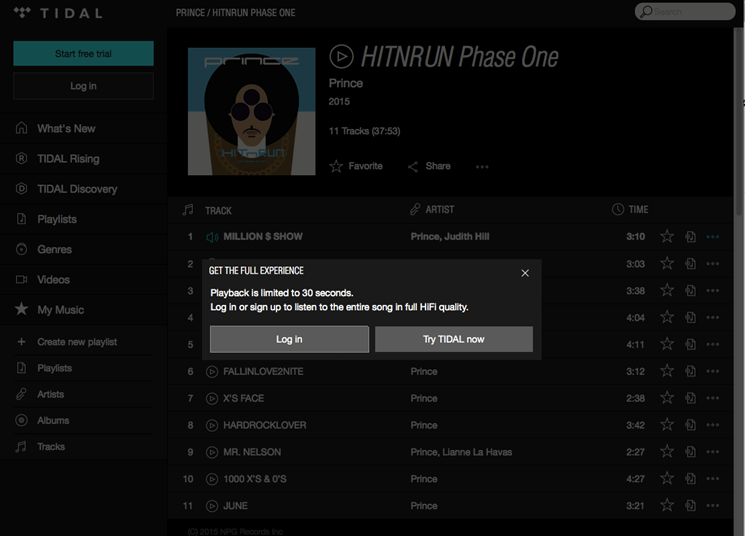
Today Prince released his new album “HITNRUN Phase One” exclusively on TIDAL. The real question is, how long will it be before the album in part or in whole is on YouTube and every other pirate site in the world?

image001

You can listen to :30 of each song at the link below without signing up for the service.
http://listen.tidal.com/album/50767183

Music Tech Policy detailed why we can’t have nice things in the post “The Great Disappointment: Tidal Highlights YouTube’s Moral Hazard for All the World to See”.

Part of Tidal’s business model relies on artists being able to grant exclusives.  The concept of an exclusive requires property rights that are respected by other platforms in the channel.

Imagine if Showtime began showing rips of Game of Thrones day and date with its HBO release.  Forget that HBO would sue them and win.  The actors, screenwriters, producers and the vast below the line personnel would think twice about working for Showtime in the future.

And that’s exactly what should happen to YouTube.

Beyonce released “Die With You” on Tidal as an exclusive.  Everyone at YouTube knows that it was intended to be an exclusive just like everyone at YouTube knows that YouTube could keep the track from being uploaded to YouTube if YouTube wanted to do that.

YouTube has worked hard at getting the world to accept the concept of “user generated content” as some kind of great cultural event–even, when like “Die With You”, there isn’t anything particularly “user generated” about it, unless you call a one-to-one rip of Beyonce’s track that was distributed in clear violation of Beyonce’s rights “user generated”.

READ THE FULL POST AT MUSIC TECH POLICY:
https://musictechpolicy.wordpress.com/2015/04/07/tidal-highlights-youtubes-moral-hazard-for-all-the-world-to-see/

“I Ain’t Gonna Work On Google’s Farm No More” | Creators are Forced Labor* On The Ad-Funded Piracy Fields Of The Advertnet

Advertising is killing internet. Soon most online advertising will be forced pre-rolls of TV commercials. You finally have a DVR to skip commercials, and soon there will be no way to avoid them. Do you really think this is what what the internet’s founding founders had envisioned? One great big inescapable advertising machine? No, we didn’t think so either.

Creators are now forced labor* on the digital fields of the AdvertNet, where the Borg like overlords of internet advertising have forced us into being unwilling participants on their digital plantations against our will. We have no defense against the advertising funded, illegal exploitation of our labor.

Now we want to be clear, we’re not opposed to advertising in general, the advertising industry overall or the many highly talented creatives who work in advertising. We all love those Superbowl ads, right? And let’s not forget that many a band in recent history has found fortune from a well placed song in a high profile commercial (Hello, Phoenix).

No, we’re talking about the highly invasive, privacy invading, personal data tracking, internet advertising slathered on pirate sites that illegally distribute copyrighted works and destroy the livelihoods of professional artists and creators against their will.

Digital Advertising Agencies are on the wrong side of artists rights. They have sold us out.

Here’s the elephant in the room. The internet as a business has a math problem and it goes something like this. There are only a few ways to make money on the online. First is transactional sales where the company can take a margin on each transaction (Amazon, Itunes, Etc). Second is a transactional service where the company can take a margin on each transaction (Uber, AirBnB, etc). Third is subscription based access to content and software (Netflix and Adobe respectively). Fourth is advertising for pretty much everything else including the big categories of Software As Service or SAAS. SAAS models including everything from Google, Facebook, Twitter and Instagram to newspapers, blogs and community based bulletin boards like Reddit, etc.

The fundamental problem here is attempting to transform all businesses to advertising supported models. This is because the largest most successful internet company ever (Google) just happens to work under that model. But the economics at large don’t generate enough revenue to pay for the cost of labor for the production of art, photography, music, movies, book, etc being distributed.

Think about it. How could it be possible that everything that once required transactional revenues to be sustainable can now be paid for with just advertising revenue? It can’t. Not under current models that do not allow for scarcity and exclusivity.

Scarcity and exclusivity are what make broadcasting models work. Television networks invest in creating exclusive content that is scarce. The scarcity and exclusivity allows for maximum monetization of that asset. The Superbowl and the Academy Awards are two of the highest grossing advertising based products specifically because they are scarce.

Take the above one step further. Imagine that everything on the internet, every single site that is not selling merchandise, a service or a subscription has to be self supporting on advertising revenue alone. Do you really think that’s possible? No, it is not. This is simply because to the cost of production of professional content can not be created at the cost that internet advertising provides.

The work around this math problem is to steal the labor of professional creators and monetize it against their will.

No budgets to pay for production, no problem. Steal It. 

Just make the margin on the cost of running the business without paying for content production. A business that does not have to pay for its inventory or cost of goods is far more profitable than one that does pay those costs. This is exactly how pirate sites and Google’s YouTube operate.

The creators of YouTube admitted as much in private emails that were exposed during the lawsuit with Viacom:

• A July 29 email conversation about competing video sites laid out the importance to YouTube of continuing to use the copyrighted material. “Steal it!” Chen said , and got a reply from Hurley, “hmmm, steal the movies?” Chen’s answer: “we have to keep in mind that we need to attract traffic. how much traffic will we get from personal videos? remember, the only reason our traffic surged was due to a video of this type.”

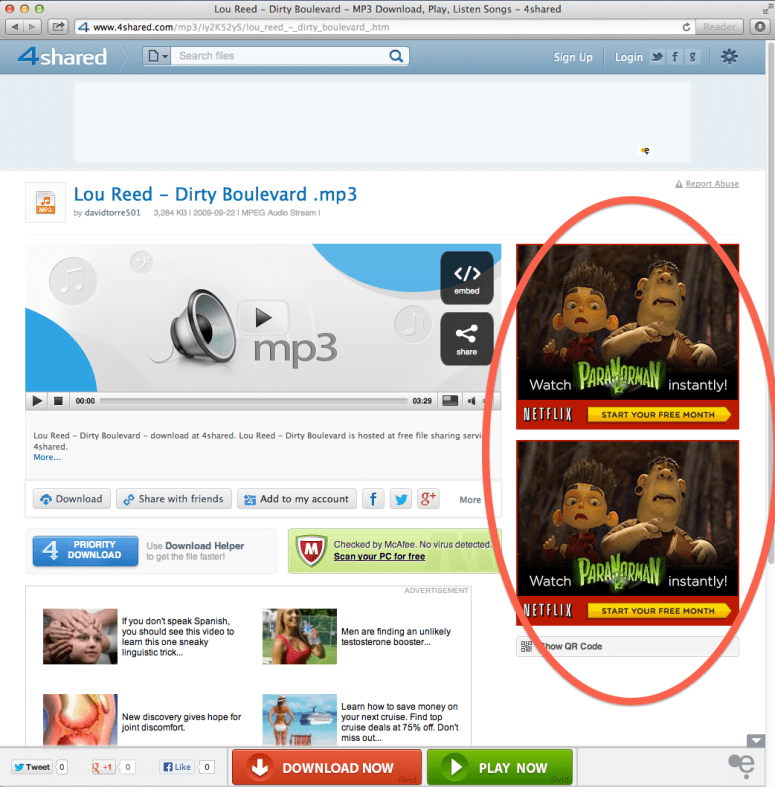
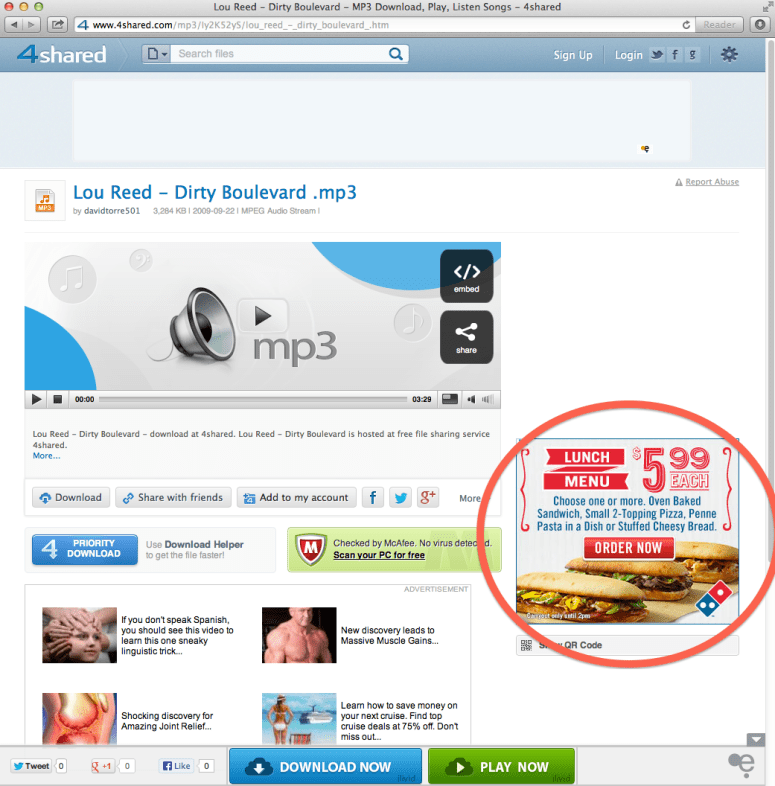
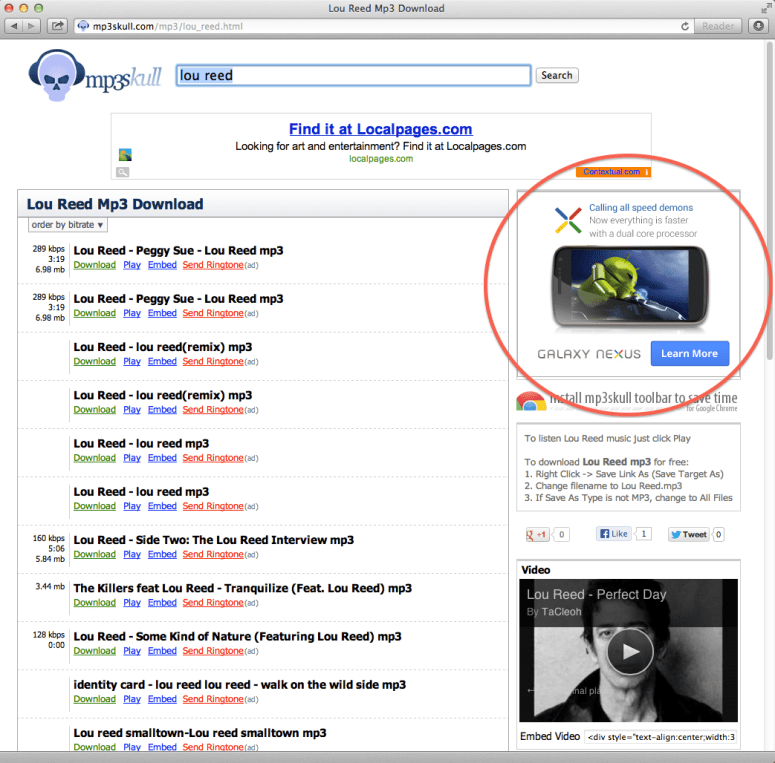
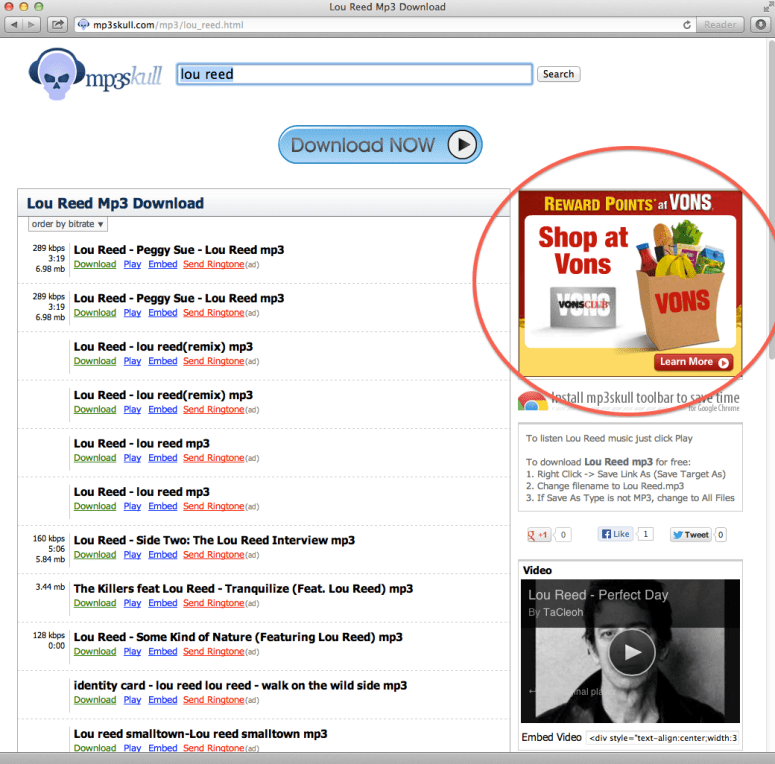
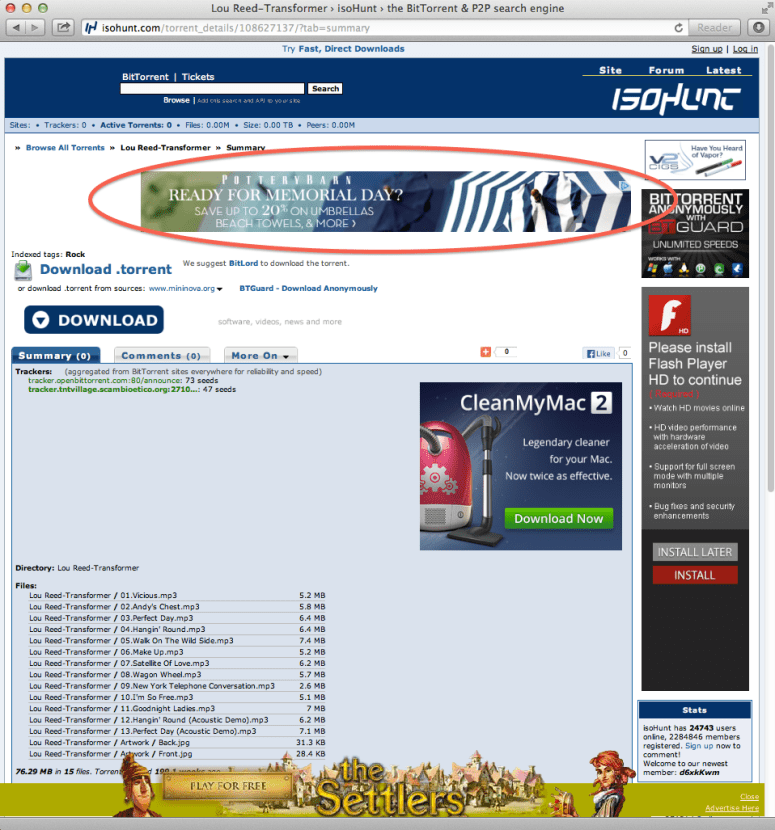
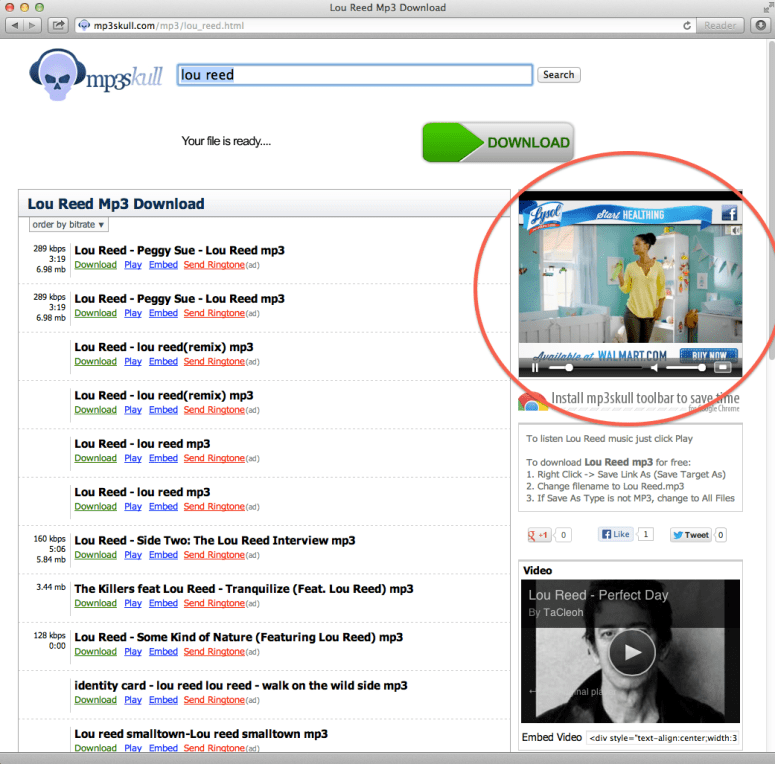
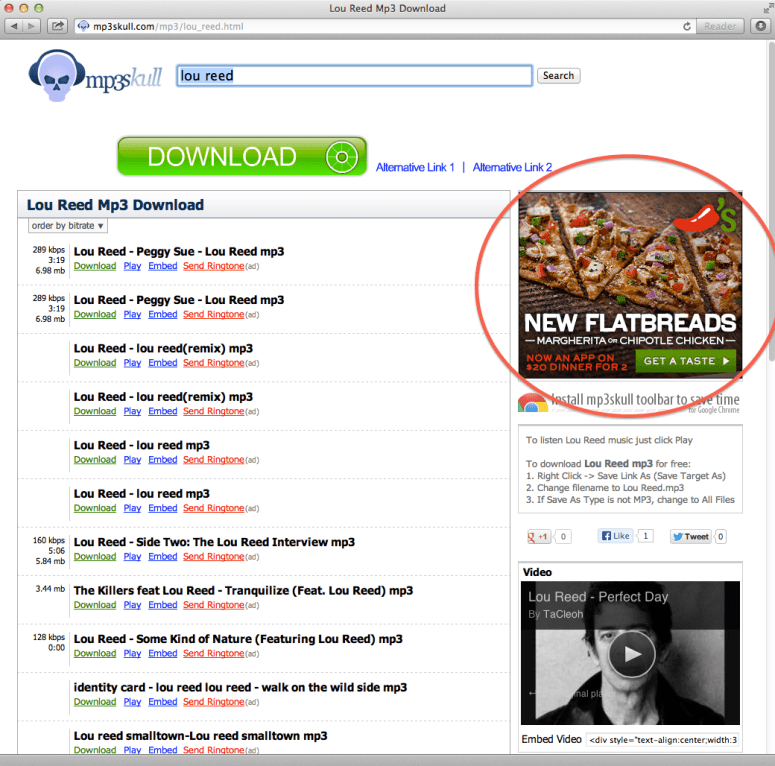
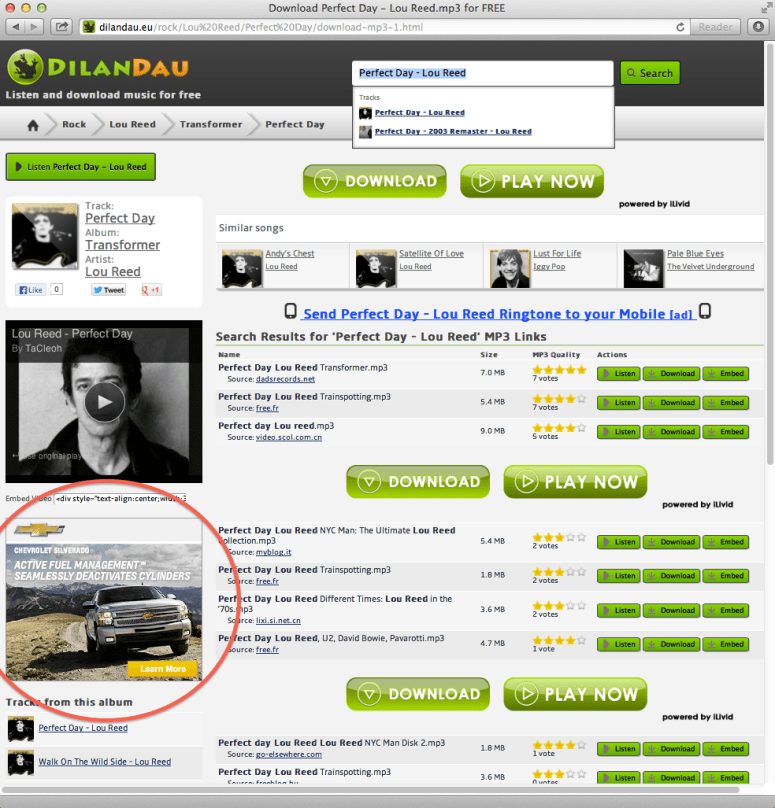
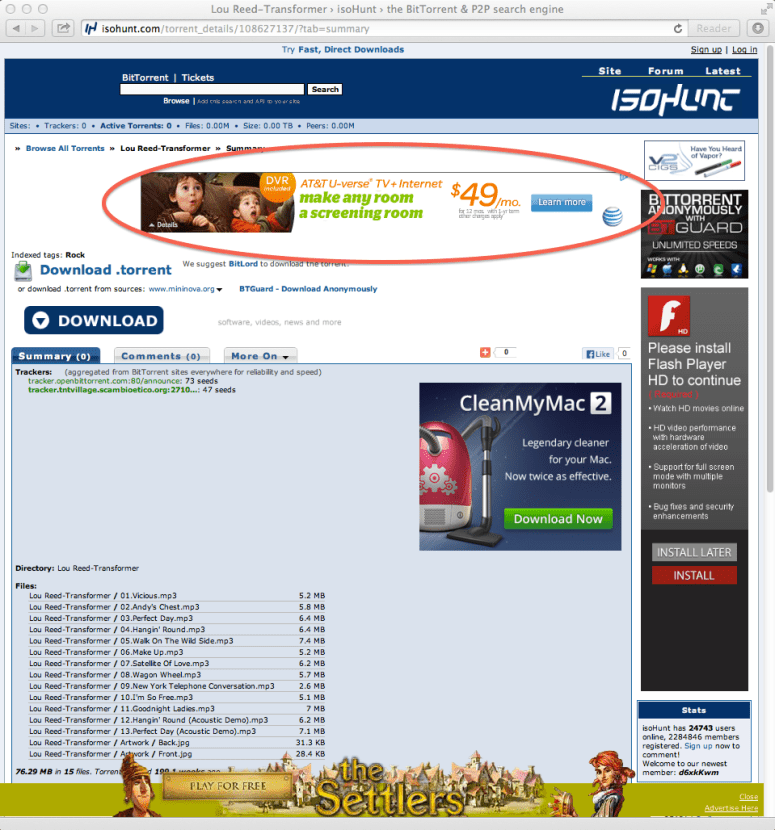
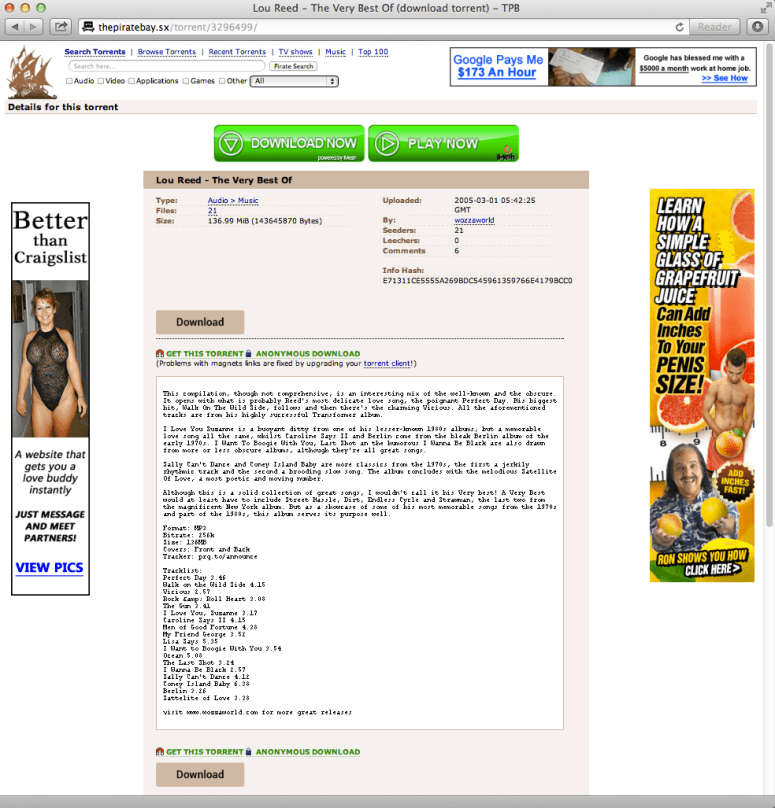
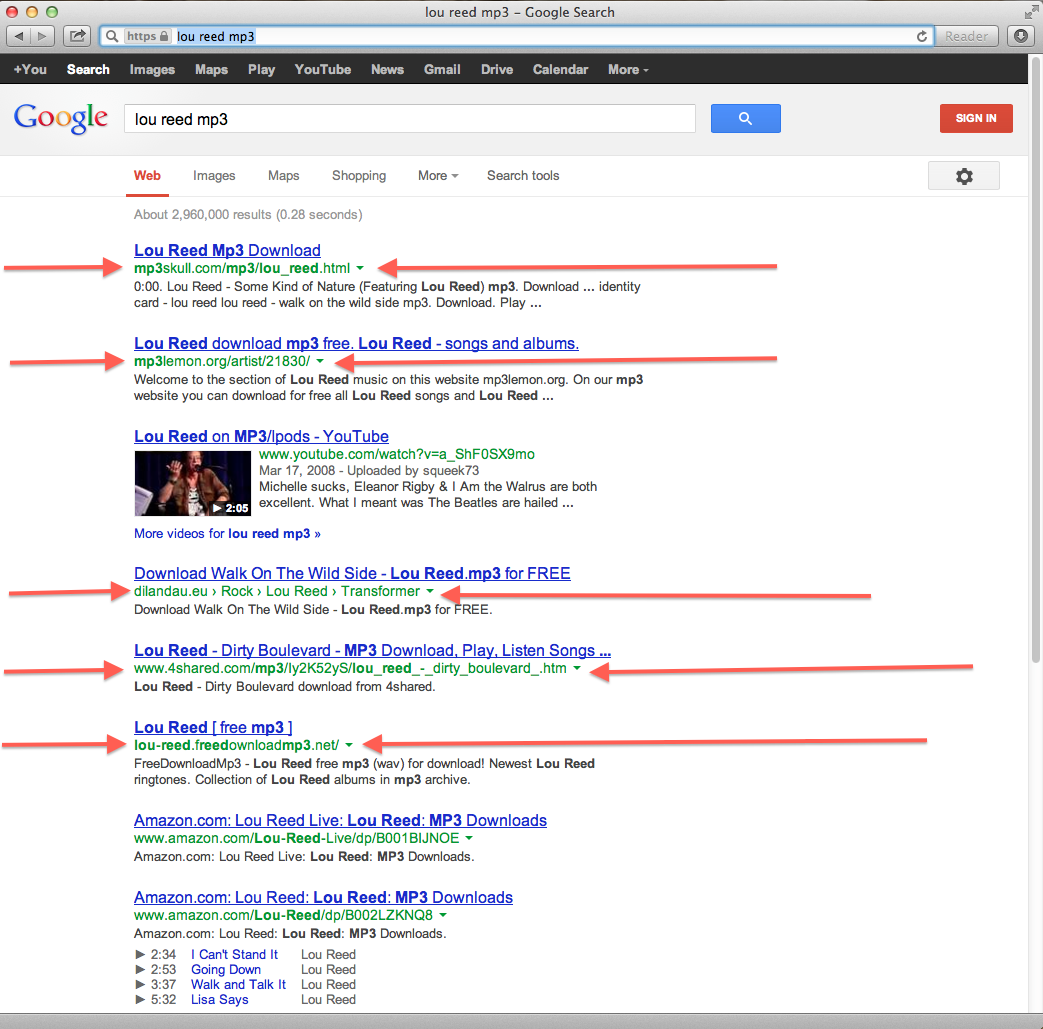
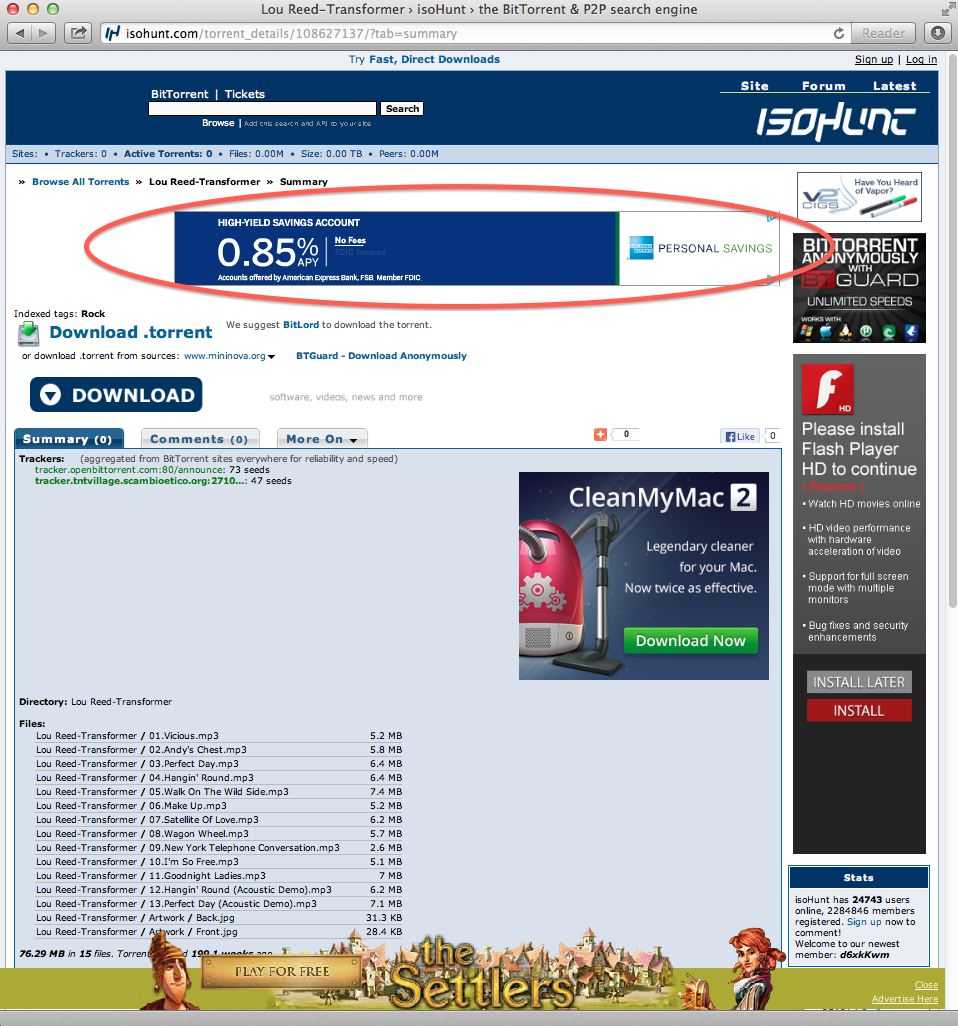
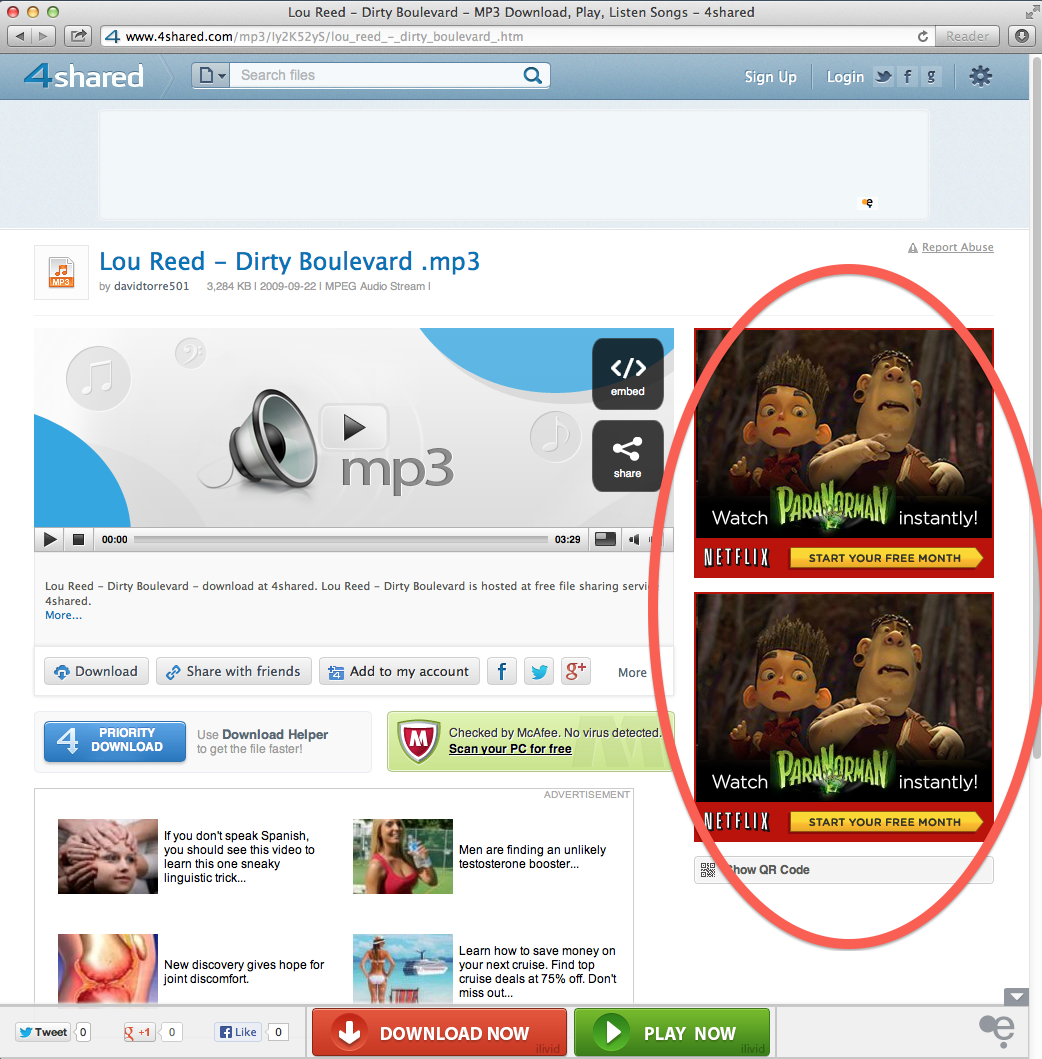
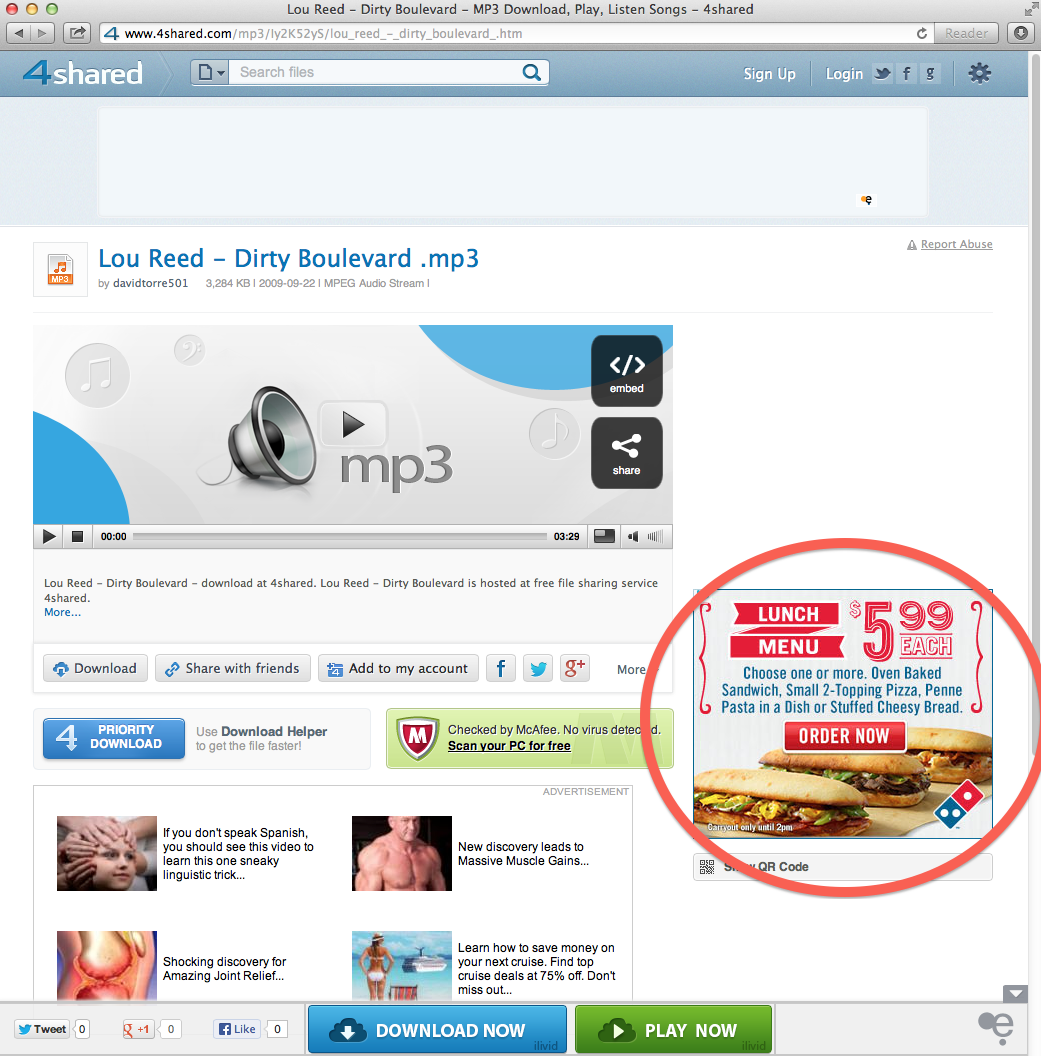
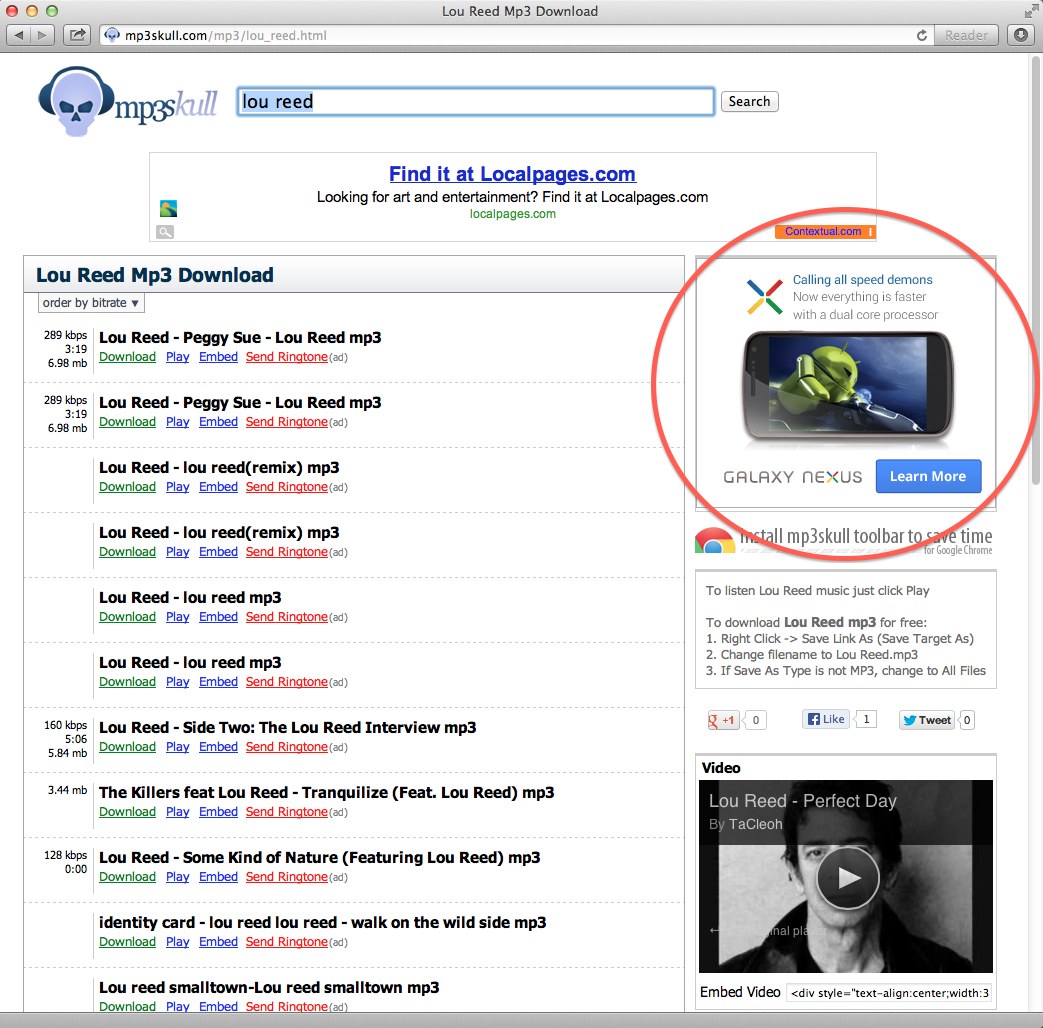
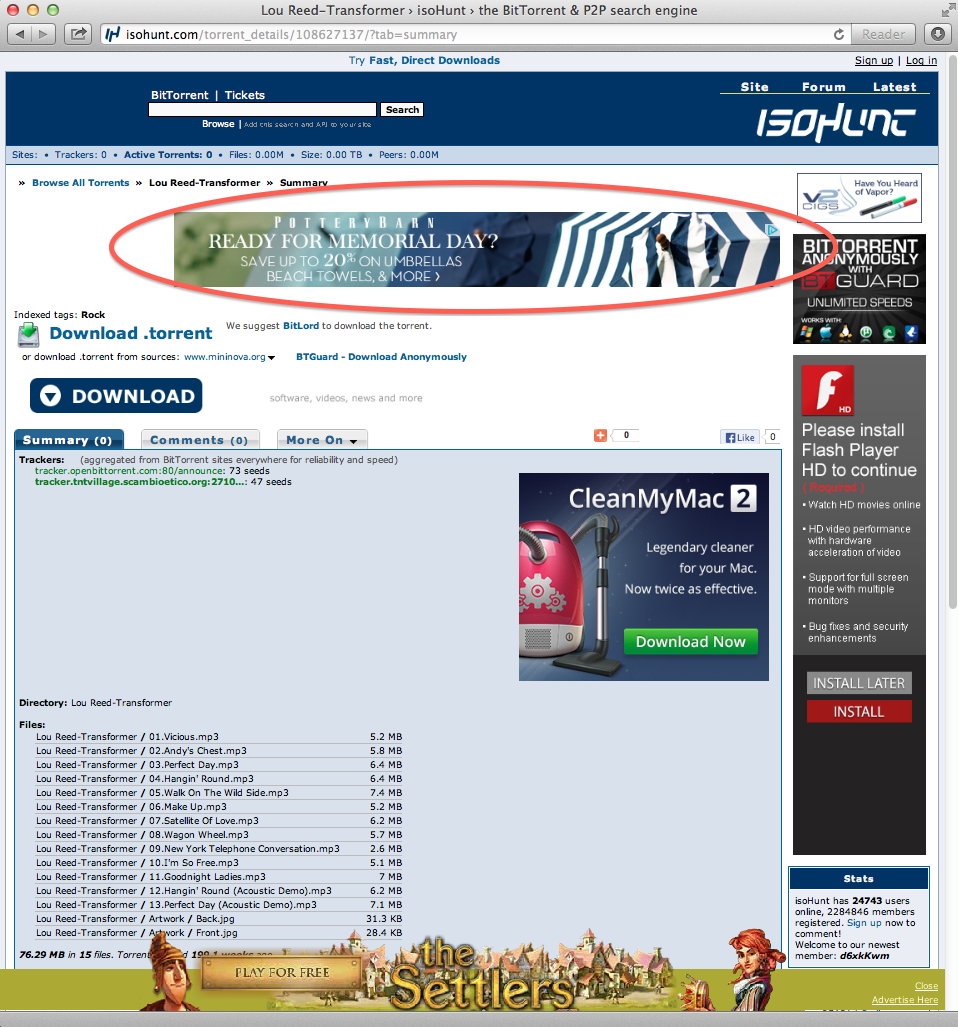
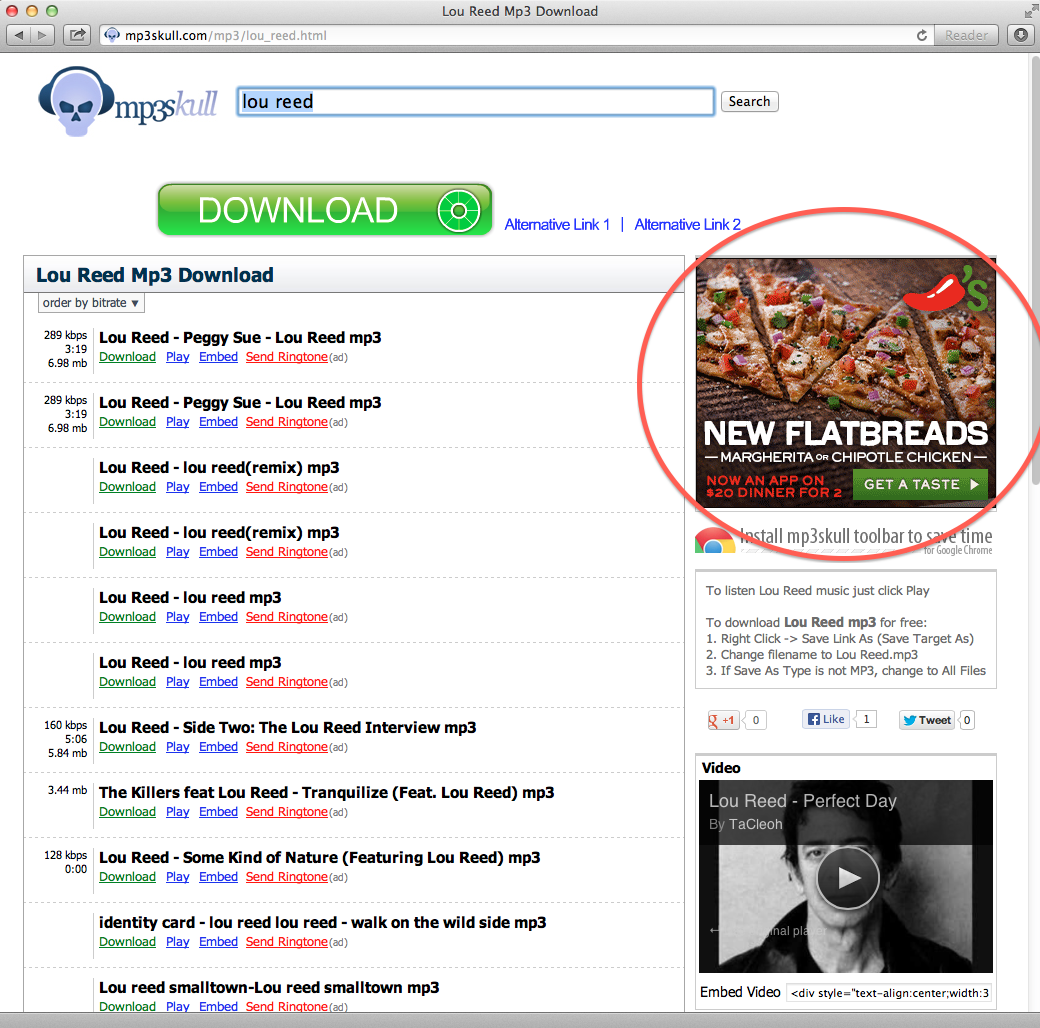
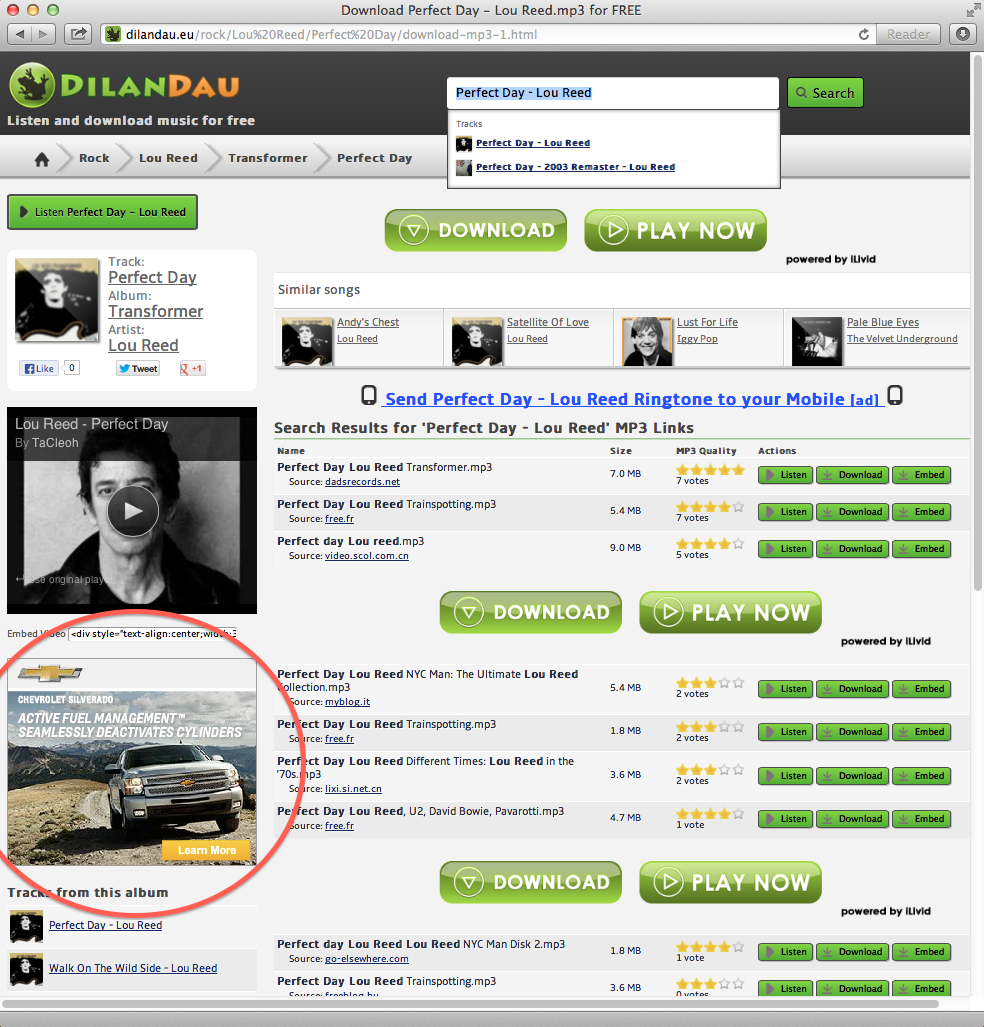
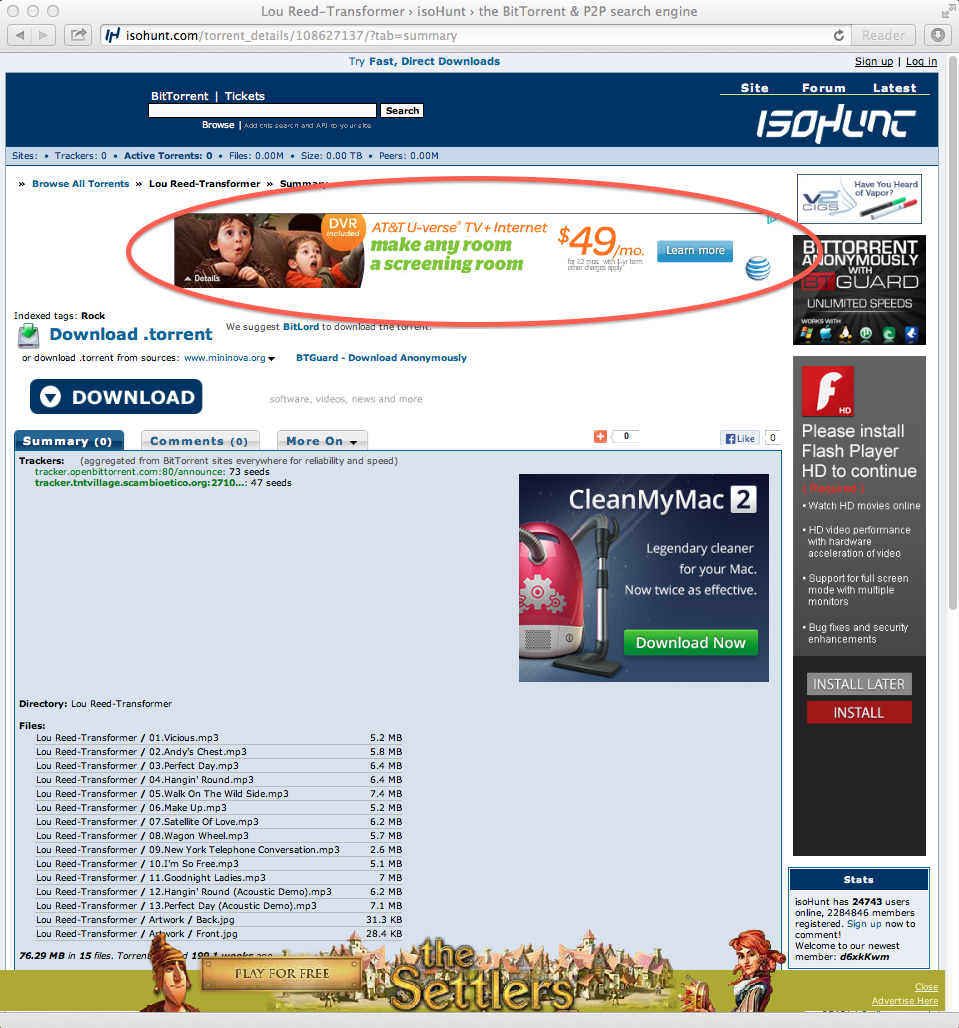
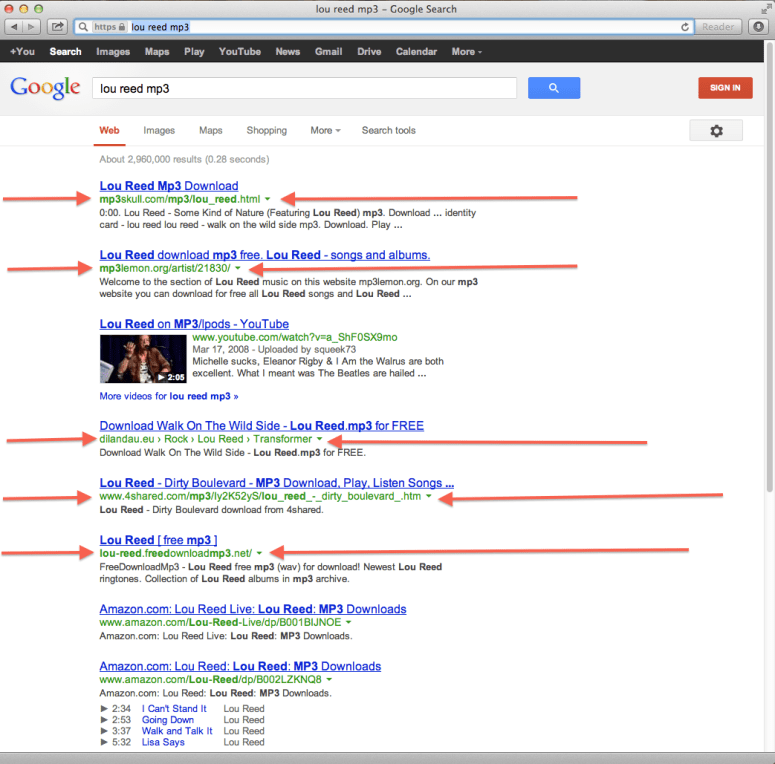
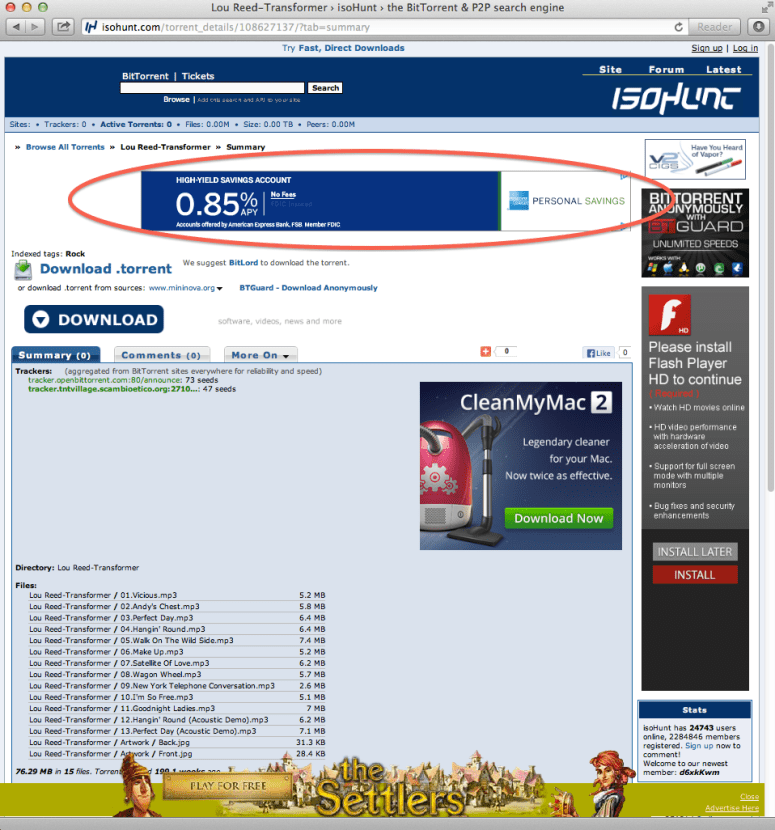
And here’s what it looks like… Lou Reed Exploited By American Express, AT&T, Chevrolet, Chili’s, Lysol, Pottery Barn, Vons, Domino’s Pizza, Netflix, Galaxy Nexus and Ron Jeremy!
LouReedGoogleSearch

LouReedAMEX

LouReedNETFLIX

LouReedDOMINOS

LouReedGalaxyNexus

LouReedVONS

LouReedPOTTERYBARN

LouReedLYSOL

LouReedCHILI'S

LouReedCHEVY

LouReedATT

LouReedTPBPORN

* Forced Labor? Hyperbole? With no ability to opt out, without being granted choice, consent or the ability to negotiate our wages, what else is it?

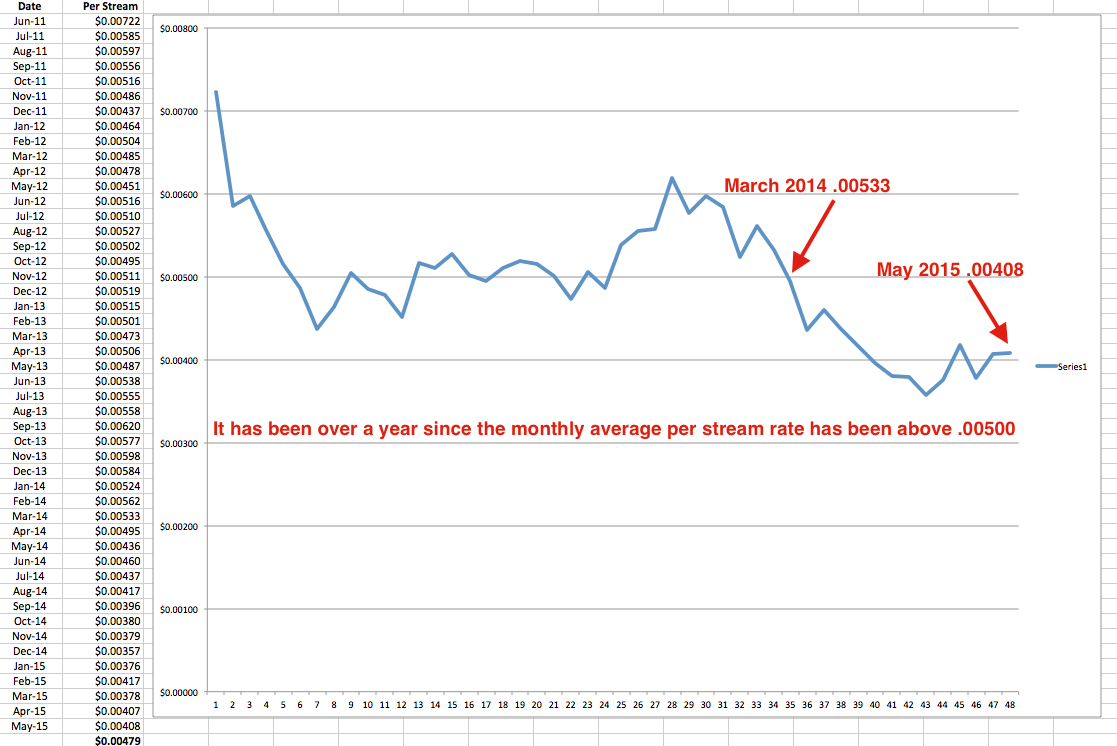
Spotify Per Play Rates Continue to Drop (.00408) … More Free Users = Less Money Per Stream #gettherateright

Down, down, down it goes, where it stops nobody knows… The monthly average rate per play on Spotify is currently .00408 for master rights holders.

PerStreamAvg_Jun11_July15

48 Months of Spotify Streaming Rates from Jun 2011 thru May 2015 on an indie label catalog of over 1,500 songs with over 10m plays.

Spotify rates per spin appear to have peaked and are now on a steady decline over time.

Per stream rates are dropping because the amount of revenue is not keeping pace with the  number of streams. There are several possible causes:

1) Advertising rates are falling as more “supply” (the number of streams) come on line and the market saturates.

2) The proportion of  lower paying “free streams”  is growing faster than the proportion of higher paying “paid streams.”

3) All of the above.

This confirms our long held suspicion that as a flat price “freemium” subscription service  scales the price per stream will drop.  As the service reaches “scale” the pool of streaming revenue becomes a fixed amount.  The pie can’t get any larger and adding more streams only cuts the pie into smaller pieces!

The data above is aggregated. In all cases the total amount of revenue is divided by the total number of the streams per service  (ex: $4,080 / 1,000,000 = .00408 per stream). Multiple tiers and pricing structures are all summed together and divided to create an averaged, single rate per play.

No, Internet Piracy is Not A “Service Issue”…

Popcorn Time is now using the tired old Kim Dotcom defense that piracy is a “service issue”. We’ve heard this nugget for over a decade.  The argument may have had some merit in 1999, but that is just not the case today more than a decade and a half later.

So with that in mind, here is our response to the “service issue” argument when Mr. Dotcom attempted it back in 2013…

In the anticipation of the announcement of the new Mega launch, Pat Pilcher at The New Zealand Herald wrote an article titled “Kim Dotcom on Ending Piracy” in which the journalist listed Mr.Dotcom’s five steps to ending piracy. Pilcher writes,

As ironic as that may sound, Kim Dotcom’s logic is inescapably robust. Here’s what his end to piracy manifesto says:

1. Create great stuff
2. Make it easy to buy
3. Same day worldwide release
4. Fair price
5. Works on any device

Looking at what Kim is saying, the 5 points seem pretty obvious, although each could quickly get bogged down once Hollywood gets involved.

So let’s look at these one by one.

1. Create Great Stuff
Well, that’s a no brainer. The content industries create the most prized and sought after “stuff” in the world including films such as Avatar, The Avengers, and The Dark Night Rises as well as franchises like Iron Man, Transformers, Harry Potter and others. Music artists include the likes of Adele, The Black Keys, Taylor Swift, The Beatles and countless others. Making great stuff has never been a problem.

2. Make It Easy To Buy
Another no brainer. Perhaps a decade plus ago this might have been an argument, but not today. There are over 500 legal and licensed music services alone. For the film industry there are services like Netflix, Vudu and Cinemanow as well as other direct to home video on demand providers that give consumers more access to more content across more platforms than at any time in history.

3. Same Day World Wide Release
For music this is more less the standard now and is also more and more common for feature film releases as well. This is a common practice for the largest and most anticipated releases of music and films, the “stuff” that is the most aggressively pirated. For smaller indie releases this may not always be possible but than again I’m not sure that the problem we are combating is in Nigeria on indie rock albums and movies that are more or less film festival darlings.

4. Fair price
Done. Netflix is $7.99 a month for unlimited access to it’s entire library of films and tv shows. Spotify is $9.99 for unlimited access to it’s entire library which consist of probably 95% of every known recording in print. Add to this the cost of a song download is 99 cents. Less than the cost of a candy bar. Renting a movie from a video on demand service ranges from 3.99 to 5.99. Price is no longer an issue and has not been for years.

5. Works on Any Device
Music is DRM free and has been for at least half a decade. Streaming Services such as Netflix and Spotify are also available on every major platform including not only Mac and PC computers, but also mobile devices such as smart phones and tablets by a variety of manufacturers. Additionally most new video game consoles and blu-ray players also include many of these same apps.

So there you have it, the end of piracy. Even Pat Pilcher at The New Zealand Herald agrees a referring to a similar response from the New Zealand record industry. He writes,

Well there it is, RIANZ’s response in full. I can’t argue with much that they’ve said, as they’ve pretty much complied with most of Kim’s 5 points.

So Kim Dotcom’s five suggestions have been fulfilled and yet, I don’t think we’ll see an end to piracy anytime soon. There is still one thing piracy offers that legal, licensed and legitimate services do not, and that is compensation to the artists, musicians, filmmakers and creators which requires that consumers actually do pay the fair price asked.

It’s all pretty simple and by Kim Dotcom’s own suggestions and admission it’s pretty clear where the problem is from here on out, and it’s not in his five suggestions…

And, of course, let us not forget this classic… Kim Dotcom Parody Video Appears on YouTube