Time For Silicon Valley To Grow Up And Take Responsibility For Their Online Advertising Business Model.
Whitelist vs Blacklist Advertising.
Last week much of the world was horrified to learn that Facebook was serving ads from major brands on pages devoted to what the Huffington post described as:
horrific rape-oriented Facebook pages… (including) graphic images of gore and horror, beaten children, naked children, women bound and gagged, or thrown down stairs.
The public outcry against the brands and Facebook was overwhelming. Facebook and many brands were forced to apologize and revise policies (let’s see how long this lasts!). Dove may have suffered long term damage to their brand.
WAM (Women Action Media), feminist Soraya Chemaly and Everyday Sexism should be commended for bringing this issue to light and achieving real change (and the stunning coordination of their campaign should be a lesson to artists advocates).
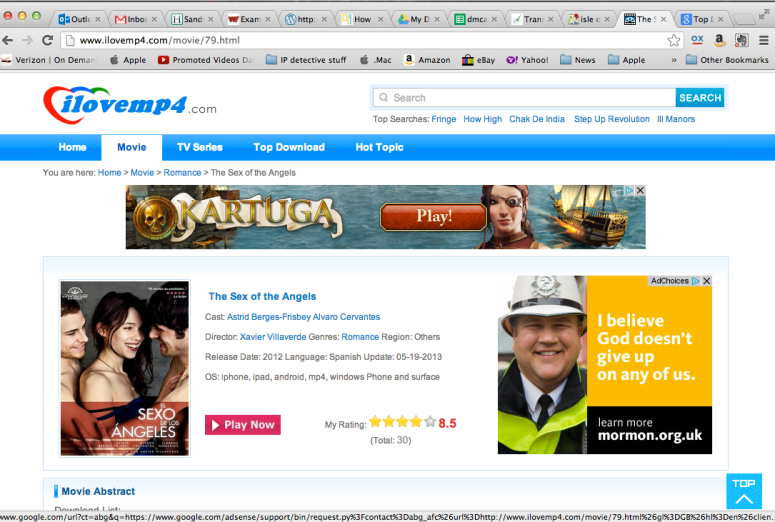
What we find interesting here at The Trichordist is that many of our brands were the usual ad-supported piracy suspects. In particular Nationwide and American Express. We have repeatedly called out these companies for advertising on cyberlocker sites that exploit artists and others. And as we have noted over and over again this is not just about music. Generally these sites include links to bestiality, rape, illegal pornography videos as well as music (Urban Outfitters and Lexus advertising against beastiality links.) We’ve both publicly and privately reached out to many of these advertisers to no avail. www.adland.tv actually ran an article entitled “American Express Thinks You Might Like Piracy and Child Pornography” after reviewing my research.
Just as Facebook was long aware of these horrific pages, American Express and many other companies have long known their advertising was ending up on these pages. This latest brouhaha shows (as we have noted) they have yet to take effective action.
And we know why. Total obfuscation by the online advertising ecosystem: in house ad buyer, Madison Avenue advertising agency, online ad network, ad exchanges and possibly complicity by the brands themselves.
We have seen and documented the following responses from the online advertising ecosystem (In fact I just got a refresher course May 28th at Westminster College in London as I participated in a panel discussion “Follow The Money: Can The Business Of Ad-Funded Piracy Be Throttled?):
Lame Excuse #1. We can’t control where these ads end up.
Response: Then why on earth would anyone pay for your product? Are you admitting that your product is faulty? Cause I can think of a couple of lucrative class action lawsuits. We think you can control where the ads end up. You just want the money.
Lame Excuse #2: We are not the internet’s policeman (most recently by Google at Westminster College London).
Response: This is a “straw man” argument. No one is asking YOU to be the web’s policeman. We are simply asking you to run your company ethically and responsibly. Please stop obfuscating. Sure the police arrest the thieves, but just like pawnshops, Google and the rest of the online advertising ecosystem have a ethical, moral and LEGAL obligation to make sure they are not selling stolen pageviews. If a pawnshop used this excuse to sell stolen goods they would be shut down and the owners would go to jail.
Lame Excuse #3: We don’t know who the bad guys are.
Response: Really? Then who get’s the money for the CPMs and/or Clicks? Are you just leaving suitcases of cash in lockers at greyhound stations? And if you are doesn’t that seem a tad suspicious? Who pays the taxes on these transactions? If you don’t know you are probably in violation of many tax laws in many countries. And that’s how they put Al Capone in jail. Don’t mess with the tax man.
Lame Excuse #4: Apple and Coca Cola don’t end up on these sites because they use “White Lists”. This was the response from Alexandra Scott the UK Public Policy Executive for Internet Advertising Bureau. This as always was delivered with an undertone of dismissiveness. As if Apple and Coca Cola just “don’t get it!” and should be advertising on shitty file infringing sites next to trojan downloads and Russian bride ads.
Response: Exactly. Whitelists. They actually vet the websites on which they are advertising. They check to see if these sites are legitimate sites. Using the pawn shop analogy. They actually check to see if the goods-in this case pageviews- are stolen.
And this brings us to the fundamental problem with the internet advertising ecosystem. It’s not the obligation of artists, feminists, anti-human trafficking activists and animal rights groups to tell you where you should not be advertising. It’s your job. Grow up. Quit trying to force us to do your job for you.
Blacklist systems too often put the burden on the victims or advocates for the victims while enabling brand advertising and Madison Ave/Silicon Valley profits at the expenses of others.
Whitelist systems put the burden on those reaping the benefits: Brands, Madison Ave. Silicon Valley and Publishers. This is the ethical model.
Note: whitelists and blacklists are not created by the government. These lists are designed for a narrow purpose–brands should be able to spend their advertising dollars in a predictable way that results in the brand being able to control the brand’s own speech. These lists are not designed to block anyone’s speech.
There’s another way to look at this from the brand’s point of view, which may be better than developing “lists” that are either/or lists that put a site in or out or operation. It is entirely consistent with the brand’s ability to control the integrity of their products and their right to not be defrauded out of advertising money for the brand to put together lists of sites that they want to avoid, or “undesirable” sites as Google’s Theo Bertand said on our panel in London.
Time for the internet advertising ecosystem and their Silicon Valley enablers to learn to act ethically and responsibly. Companies like Starbucks and Costco have figured it out. Companies like Walmart that came under criticism for various unethical practices mostly addressed these problems. What is Silicon Valley’s response? “Censorship” and “You silly people don’t understand the internet.”
I call bullshit on this argument. And we “silly people” understand you better than you think.
Silicon Valley is the new wall street. Sure they have green buildings and make the occasional charitable donations. But mob bosses were notorious for making donations to the local orphanages and policemen benevolence societies.
Silicon valley doesn’t give a damn how it makes money. It will do anything to make money. No matter what the moral implications. It has a fake censorship argument that it uses to mask it’s fundamental amorality and greed. Entire PR campaigns (including fake paid bloggers and fake public interests groups) are devoted to promoting a techno Nihilism: If you can do it on the internet-no matter how horrific that act may be-stopping someone from doing it is “censorship” and infringes someone’s “freedom”.
This is the kind of argument a 13 year old wouldn’t even make. And it’s amazing that the mainstream press never calls them out on this. Again why is it left to a 50 year old moderately successful indie rocker to call them out on this bullshit?
Look it’s very simple.
Grown up style freedom:
“My right to swing my fist ends at the tip of the other man’s nose.”
Silicon Valley petulant 13 year old style freedom:
“My right to swing my fist is absolute. And you’re not the boss of me!”
Silicon Vallley and the rest of the online advertising ecosystem needs to grow up.
YOU MAY ALSO ENJOY READING:
Google, Advertising, Money and Piracy. A History of Wrongdoing Exposed.
ADWEEK : “Ad Industry Takes Major Step to Fight Online Piracy”… Again…
Over 50 Major Brands Supporting Music Piracy, It’s Big Business!
Look who’s Pirating now! University Of Georgia Music Business Program’s Preliminary Study Of Advertising On Copyright Infringing Sites.



 The Trichordist
You must be logged in to post a comment.