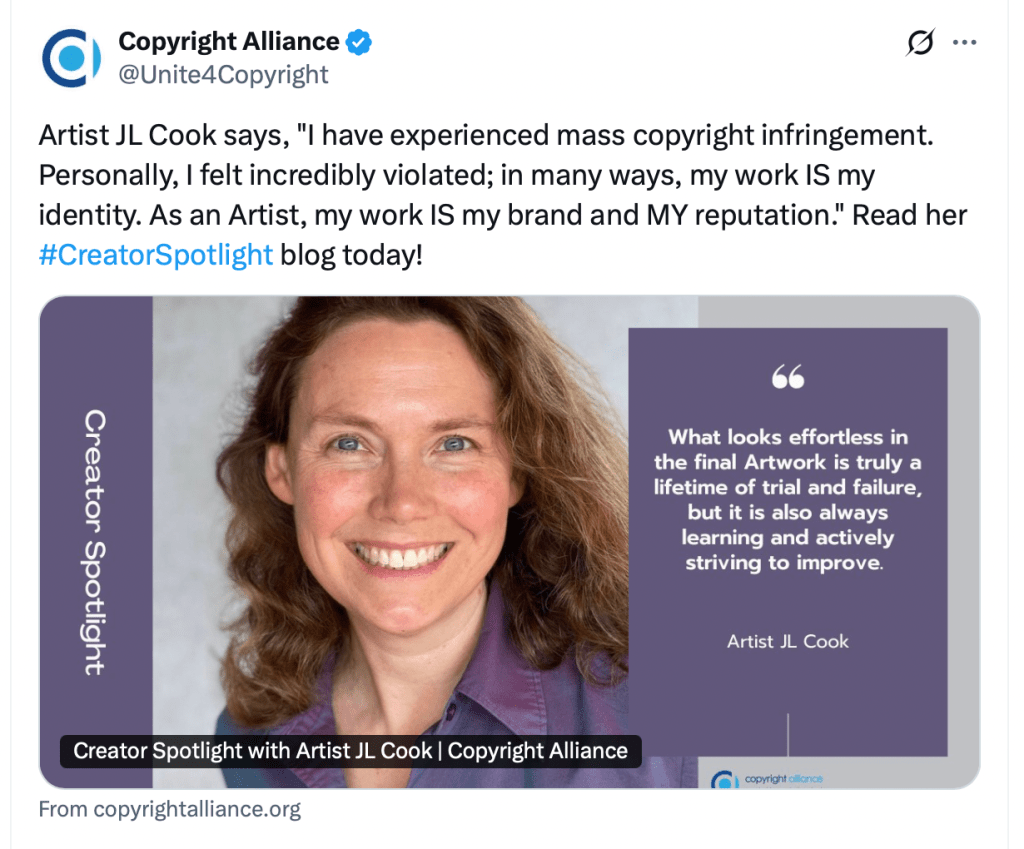
The biggest of Big Tech are scraping everything they can snarf down to train their AI–that means your Facebook, Instagram, YouTube, websites, Reddit, the works. Congress has to stop this–if. you are as freaked out about this as we are, join in the Copyright Alliance letter campaign here. It just takes a minute to send a personalized letter to Congress and the White House urging policymakers to protect creators’ rights and ensure fair compensation in the AI era.
Tag: Copyright Alliance
@ArtistRights Institute Newsletter 2/17/25

The Artist Rights Institute’s news digest Newsletter
#FreeJImmyLai: Update on Chinese Communist Party Free Speech Enemy No. 1: Jimmy Lai, the Hong Kong publisher of Apple Daily
Why case of jailed Briton Jimmy Lai is major sticking point for [UK Prime Minister] Keir Starmer’s relations with China (Sky News/Alix Culbertson)
American Music Fairness Act
@MARSHABLACKBURN, @REPDARRELLISSA, COLLEAGUES REINTRODUCE AMERICAN MUSIC FAIRNESS ACT TO ENSURE ARTIST PAY FOR RADIO PLAY #IRESPECTMUSIC #AMFA (MusicTechPolicy/Editor Charlie)

Copyright Royalty Board
What Must be Done in CRB 5? (MusicTechSolutions/Chris Castle)
Copyright
The MTP Interview: Attorney Tim Kappel and Abby North Discuss Vetter v. Resnick with Chris Castle
First of Its Kind Decision Finds AI Training Is Not Fair Use (Copyright Alliance/Kevin Madigan)
‘Mass theft’: Thousands of artists call for AI art auction to be cancelled. (The Guardian/Dan Milmo)
Artificial Intelligence in China
Featured Translation: China’s most humble profession is being squeezed out by Artificial Challenged Intelligence(ChinaAI/Jeffrey Ding)
Great Power Competition in AI
It’s Not Just Technology: What it Means to be a Global Leader in AI (Just Security/Kayla Blomquist and Keegan McBride)
AI, Great Power Competition & National Security (MIT Press/Daedalus/Eric Schmidt)
AI at a Geopolitical Crossroads: The Tension Between Acceleration and Regulation (US Institute for Peace/Andrew Cheatham)
Updates for Nov. 20 @ArtistRights Symposium at @AmericanU @KogodBiz in Washington DC

We are announcing the time schedule and speakers for the 4th annual Artist Rights Symposium on November 20. The symposium is supported by the Artist Rights Institute and was founded by Dr. David C. Lowery, Lecturer at the University of Georgia Terry College of Business.
This year the symposium is hosted in Washington, DC, by American University’s Kogod School of Business at American’s Constitution Hall, 4400 Massachusetts Avenue, NW, Washington, DC 20016. We are also pleased to have a Kogod student presentation on speculative ticketing as part of the speaker lineup.
Admission is free, but please reserve a spot with Eventbrite, seating is limited!
The symposium starts at 8:30 am and ends with a reception at 4:30pm. The symposium will be recorded as an audiovisual presentation for distribution at a later date, but will not be live-streamed. If you attend, understand that you may be filmed in any audience shots, questions from the floor or still images. The symposium social media hashtag is #ArtistRightsKogod.
Schedule
8:30 — Doors open, networking coffee.
9:00-9:10 — Welcome remarks by David Marchick, Dean, Kogod School of Business
9:10-9:15 — Welcome remarks by Christian L. Castle, Esq., Director, Artist Rights Institute
9:15-10:15 — THE TROUBLE WITH TICKETS: The Challenges of Ticket Resellers and Legislative Solutions:
Kevin Erickson, Director, Future of Music Coalition, Washington DC
Dr. David C. Lowery, Co-founder of Cracker and Camper Van Beethoven, University of Georgia
Terry College of Business, Athens, Georgia
Stephen Parker, Executive Director, National Independent Venue Association, Washington DC
Mala Sharma, President, Georgia Music Partners, Atlanta, Georgia
Moderator: Christian L. Castle, Esq., Director, Artist Rights Institute, Austin, Texas
10:15-10:30: NIVA Speculative Ticketing Project Presentation by Kogod students
10:30-10:45: Coffee break
10:45-11:00: OVERVIEW OF CURRENT ISSUES IN ARTIFICIAL INTELLIGENCE LITIGATION: Kevin Madigan, Vice President, Legal Policy and Copyright Counsel, Copyright Alliance
11:00-12 pm: SHOW ME THE CREATOR – Transparency Requirements for AI Technology:
Danielle Coffey, President & CEO, News Media Alliance, Arlington, Virginia
Dahvi Cohen, Legislative Assistant, U.S. Congressman Adam Schiff, Washington, DC
Ken Doroshow, Chief Legal Officer, Recording Industry Association of America, Washington DC
Moderator: Linda Bloss-Baum, Director of the Kogod School of Business’s Business & Entertainment Program
12:00-12:30: Lunch break
12:30-1:30: Keynote: Graham Davies, President and CEO of the Digital Media Association, Washington DC.
1:30-1:45: Coffee break
1:45-2:45: CHICKEN AND EGG SANDWICH: Bad Song Metadata, Unmatched Funds, KYC and What You Can Do About It
Richard James Burgess, MBE, President & CEO, American Association of Independent Music, New York
Helienne Lindvall, President, European Composer & Songwriter Alliance, London, England
Abby North, President, North Music Group, Los Angeles
Anjula Singh, Chief Financial Officer and Chief Operating Officer, SoundExchange, Washington DC
Moderator: Christian L. Castle, Esq, Director, Artist Rights Institute, Austin, Texas
2:45-3:15: Reconvene across street to International Service Founders Room for concluding speakers and reception
3:15-3:30: OVERVIEW OF INTERNATIONAL ARTIFICIAL INTELLIGENCE LEGISLATION: George York, Senior Vice President International Policy from RIAA.
3:30-4:30: NAME, IMAGE AND LIKENESS RIGHTS IN THE AGE OF AI: Current initiatives to protect creator rights and attribution
Jeffrey Bennett, General Counsel, SAG-AFTRA, Washington, DC
Jen Jacobsen, Executive Director, Artist Rights Alliance, Washington DC
Jalyce E. Mangum, Attorney-Advisor, U.S. Copyright Office, Washington DC
Moderator: John Simson, Program Director Emeritus, Business & Entertainment, Kogod School of Business, American University
4:30-5:30: Concluding remarks by Linda Bloss-Baum, Director of the Kogod School of Business’s Business & Entertainment Program and reception.

NAME, IMAGE AND LIKENESS RIGHTS: New Speaker Update for Nov. 20 @ArtistRights Symposium at @AmericanU @KogodBiz in Washington DC
We are announcing more topics and new speakers for the 4th annual Artist Rights Symposium on November 20, this year hosted in Washington, DC, by American University’s Kogod School of Business at American’s Constitution Hall, 4400 Massachusetts Avenue, NW, Washington, DC 20016. The symposium is also supported by the Artist Rights Institute and was founded by Dr. David Lowery, Lecturer at the University of Georgia Terry College of Business.
We’re pleased to add an overview of artificial intelligence litigation in the US by Kevin Madigan, Vice President, Legal Policy and Copyright Counsel from the Copyright Alliance and an overview of international artificial intelligence-related legislation by George York, Senior Vice President International Policy from RIAA. We’re also announcing our fourth panel and speaker line up:
NAME, IMAGE AND LIKENESS RIGHTS IN THE AGE OF AI: Current initiatives to protect creator rights and attribution
Jeffrey Bennett, General Counsel, SAG-AFTRA, Washington, DC
Jen Jacobson, Executive Director, Artist Rights Alliance, Washington DC
Jalyce E. Mangum, Attorney-Advisor, U.S. Copyright Office, Washington DC
Moderator: John Simson, Program Director Emeritus, Business & Entertainment, Kogod School of Business, American University
Panels will begin at 8:30 am and end by 5 pm, with lunch and refreshments. More details to follow. Contact the Artist Rights Institute for any questions.
Admission is free, but please reserve a spot with Eventbrite, seating is limited! (Eventbrite works best with Firefox)
Previously confirmed panelists are:
Keynote: Graham Davies, President and CEO of the Digital Media Association, Washington DC. Graham will speak around lunchtime.
CHICKEN AND EGG SANDWICH: Bad Song Metadata, Unmatched Funds, KYC and What You Can Do About It
Richard James Burgess, MBE, President & CEO, American Association of Independent Music, New York
Helienne Lindvall, President, European Composer & Songwriter Alliance, London, England
Abby North, President, North Music Group, Los Angeles
Anjula Singh, Chief Financial Officer and Chief Operating Officer, SoundExchange, Washington DC
Moderator: Christian L. Castle, Esq, Director, Artist Rights Institute, Austin, Texas
SHOW ME THE CREATOR – Transparency Requirements for AI Technology:
Danielle Coffey, President & CEO, News Media Alliance, Arlington, Virginia
Dahvi Cohen, Legislative Assistant, U.S. Congressman Adam Schiff, Washington, DC
Ken Doroshow, Chief Legal Officer, Recording Industry Association of America, Washington DC
Moderator: Linda Bloss-Baum, Director of the Kogod School of Business’s Business & Entertainment Program
THE TROUBLE WITH TICKETS: The Economics and Challenges of Ticket Resellers and Legislative Solutions:
Kevin Erickson, Director, Future of Music Coalition, Washington DC
Dr. David C. Lowery, Co-founder of Cracker and Camper Van Beethoven, University of Georgia
Terry College of Business, Athens, Georgia
Stephen Parker, Executive Director, National Independent Venue Association, Washington DC
Mala Sharma, President, Georgia Music Partners, Atlanta, Georgia
Moderator: Christian L. Castle, Esq., Director, Artist Rights Institute, Austin, Texas
PRESS RELEASE: Copyright Alliance Applauds Nomination of Deborah Robinson as Intellectual Property Enforcement Coordinator
| Washington, DC—Today, Copyright Alliance CEO Keith Kupferschmid issued the following statement in support of the Biden administration’s announcement that Deborah Robinson has been nominated to be the next Intellectual Property Enforcement Coordinator (IPEC): “The position of Intellectual Property Enforcement Coordinator (IPEC) is crucial to the United States’ continued strong and effective support for intellectual property (IP) laws and policies, both here and abroad. The Copyright Alliance is pleased to learn that the White House has nominated Deborah Robinson to be the next IPEC and urges the Senate to expeditiously consider and approve her nomination. “Deborah Robinson is an accomplished attorney, experienced IP content and protection specialist, and former prosecutor who has real world experience. We are confident that, upon Senate confirmation of her nomination, she will do a tremendous job in this very important role as she works to further IP protections across the country.” |
| ### |
| ABOUT THE COPYRIGHT ALLIANCE: The Copyright Alliance is a non-profit, non-partisan public interest and educational organization representing the copyright interests of over two million individual creators and over 15,000 organizations in the United States, across the spectrum of copyright disciplines. The Copyright Alliance is dedicated to advocating policies that promote and preserve the value of copyright, and to protecting the rights of creators and innovators. For more information, please visit our website. |
@unite4copyright: Celebrate World IP Day/Week 2021
On April 26, 2021, the Copyright Alliance will once again celebrate World IP Day (WIPD). WIPD is recognized on the same day in April of each year to remind everyone of the critical role that intellectual property plays in encouraging creativity and innovation. And from April 26-30, the Copyright Alliance will celebrate WIPD by joining our members, partners, and countless creators and organizations around the world to mark the occasion by amplifying blogs and videos, hosting virtual events, and much more—all designed to celebrate the fact that IP helps the global arts scene to flourish and enables the innovation that drives human progress.
Even More Bad Faith from @RonWyden on Copyright Small Claims Legislation
By Chris Castle
[This post first appeared on our sister site Artist Rights Watch]
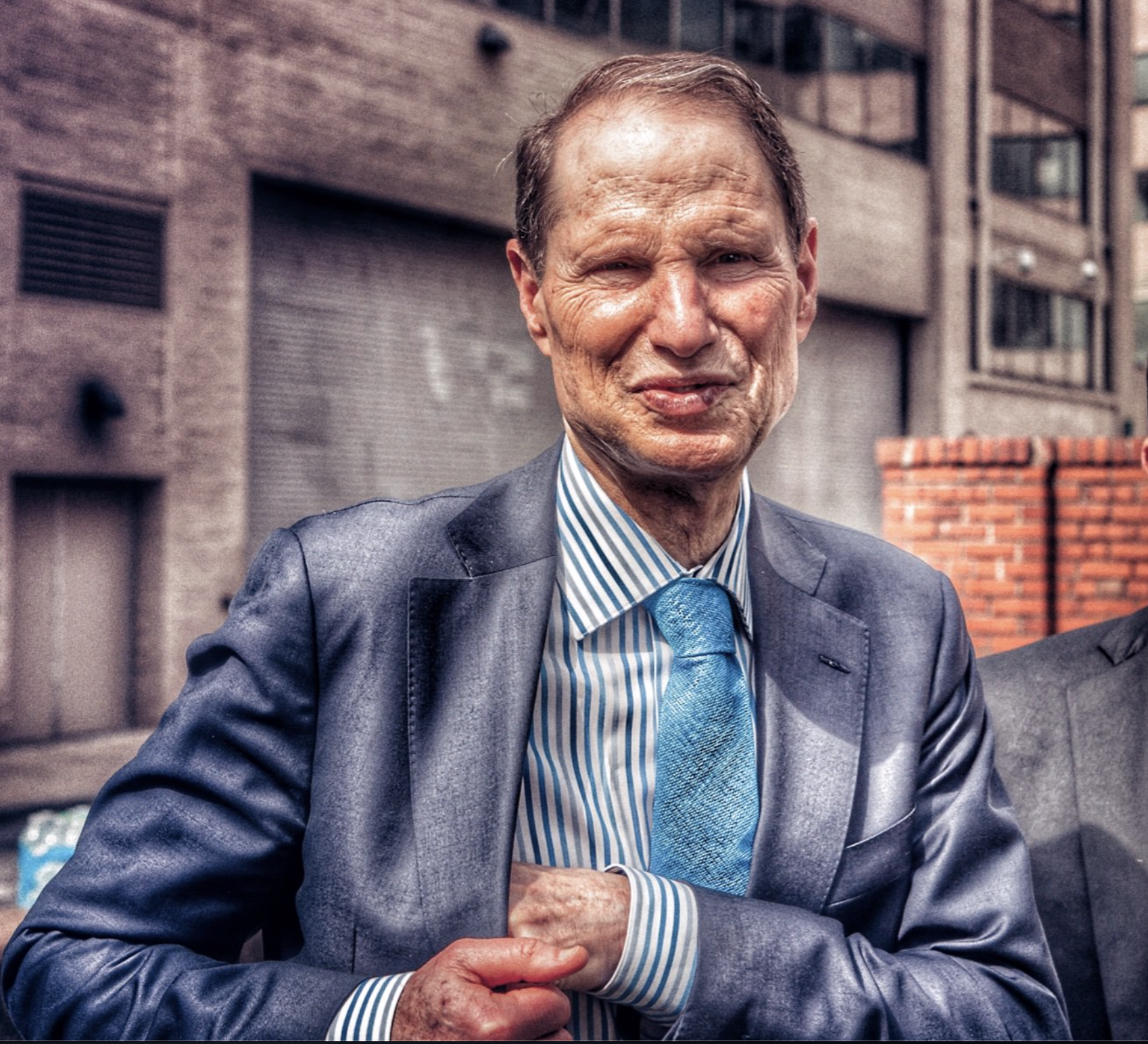
Senator Ron Wyden is up to his old tricks–he’s got a secret hold on the CASE Act and is taking his usual ridiculous positions just to see if he can get away with it. His day of reckoning has been coming for a long time and may have just arrived. We don’t come to the Congress looking for a fight, but he does. Maybe now he’ll get one. Like any other bully, there’s only one way to make it stop.
Why would Senator Wyden care about the CASE Act? Because Google does. And why does Google care? Because the CASE Act would provide meaningful relief to artists in all copyright categories caught up in DMCA hell, the ennui of learned helplessness brought on by the call and response of notice and counter notice that gives Google domain over vast numbers of copyrights from people who can’t afford to fight back in federal court. And Google cannot have that.
So what is going on that prompted a kind and reasonable fellow like Copyright Alliance chief Keith Kupferschmid to accuse Senator Wyden of bad faith negotiations in the above tweet? Quick recap: Remember there’s new legislation working its way through Congress that would establish a new “small claims court” in the US called the CASE Act. The immensely popular and bipartisan bill introduced by Rep. Hakim Jeffries, passed the House of Representatives on a 410-6 vote. Yes, that’s right–410-6 in favor of the CASE Act. (If you’re interested, you can download the CLE materials I put together for a recent bar association panel on the CASE Act. This has a detailed explanation of holds, copy of the bills, and some other public materials.)
The legislation is now in the Senate which is the land of legislative secret holds and the kind of faux collegiality based on unanimous consent voting outside of the procedures we normally think of, especially floor votes. At a high level, here’s how it works: The Senate staff essentially emails around legislation and if no Senator objects to it, it is passed by unanimous consent. Called “hotlining” this is pretty common in the Senate. It does not require scheduling floor time and gets things done.
But see what they did there? If just one–one–senator objects to the hotlined legislation, it all grinds to a halt. This is called placing a “hold” on the Senate version of a bill. Which brings us to Senator Ron Wyden.

Senator Wyden has a history of placing holds on copyright legislation. Most recently, he placed a hold on the Music Modernization Act in order to extract some further punishment for the old guys and dead cats who saw a glimmer of hope in the pre-72 part of the bill (Title II). In what has become standard practice, the banshees from the Electronic Frontier Foundation and Public Knowledge swing into action with their Fear Uncertainty and Doubt campaigns in an effort to weaken copyright in any way they can get away with.
You know, these guys:


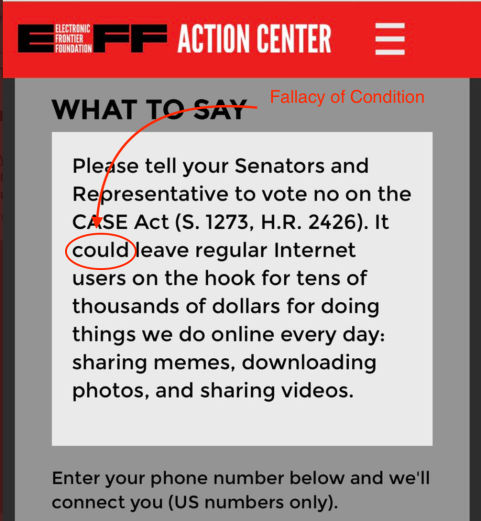
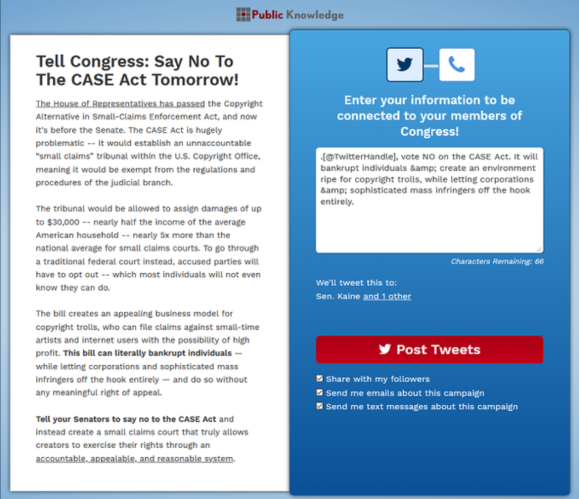
EFF and Public Knowledge treated us to this kind of propaganda:


Both EFF and Public Knowledge used the Phone2Action tool which features this permission set for Twitter that sure looks like it’s designed to create a bot net:

So back to Senator Wyden. EFF and Public Knowledge are not the only ones with ties to Google in particular and Big Tech in general. Senator Wyden represents Oregon, but he is actually from Palo Alto in what was once called the Santa Clara Valley, but is now generally called Silicon Valley. And what does Silicon Valley need that Oregon has?

Huge honking amounts of electricity to run the massive data centers that power Big Tech and allows them to store fuflops of data about you and me. Remember–it takes about as much electricity to run YouTube as it does to light the city of Cincinnati. And unlike Teslas, etc., that run on the magical power of cherubic elves jogging on golden flywheels, Google needs the same electricity that comes out of the wall from whatever source it is derived. Here’s some data on the data centers:

Needless to say, when you are groovier than thou Googlers, this little fact is distasteful and really jacks with your self-image. Hence, Google seeks out “green” power as part of the mix–and here’s where Oregon comes in. Courtesy of the taxpayer, i.e., you and me, Oregon happens to have a bunch of hydroelectric power from the Columbia and Snake Rivers Hydroelectric Project that also extends into British Columbia.
Well, it’s not just courtesy of you and me, it’s also courtesy of the sacred lands given up by Native Americans for The Dalles Dam (Google’s main Oregon data center is located in The Dalles). The Dalles Dam has an interesting history with Oregon’s local Confederated Warm Springs Tribes and the Yakama Indians, too. Thanks to the ever efficient Army Corps of Engineers and a bunch of federal taxpayer money, the Dalles Dam hoodwinked the tribes into giving up sacred land, which is now at the bottom of the reservoir, but that’s a story for another day.

According to The Oregonian:
Data centers have become one of Oregon’s biggest industries, with Google, Apple, Facebook and Amazon spending billions of dollars to buy and equip online storage facilities in rural parts of the state. They’re lured primarily by tax savings, which can shave tens of millions of dollars from a server farm’s annual operating cost.
Earlier this week, The Dalles city council and Wasco County commissioners voted to approve a package of “enterprise zone” tax breaks that exempts Google’s buildings and computers from local property taxes. The pact could save Google tens of millions of dollars or more over the 15-year life of the deal.
In exchange, Google will make an up-front payment of $1.2 million to local governments and $800,000 annually after that.
And who was formerly the chair of the Senate Energy & Commerce Committee? You guessed it.
So back to Senator Wyden and his hold on the CASE Act (I won’t blame you if you’d prefer a shower right about now). Remember that the CASE Act is the biggest threat to Google’s DMCA-based business model to come along. So Wyden’s marching orders on the CASE Act is the same as it was on MMA and the same as it’s been for years. Slow it down, weaken it, let the process grind it to bits if possible or extract so many concessions that it’s toothless or as toothless as it can be.
And that is why a good guy like Keith Kupferschmid is calling out Ron Wyden. Because there’s #JustOne senator standing in the way of justice.
Artists Rights Watch – Sunday Jan 20, 2013
Grab the coffee!
Recent Posts:
* Well this is Embarrassing, a Tunecore Ad on 4Shared…
* Don’t Get IRFA’d: Westergren’s Fake “Tour Support”
* Golden Globe Winner Adele Exploited by American Express, AT&T, British Airways, Target and Nissan
From Around The Web:
COPYRIGHT ALLIANCE:
* The Silver Lining of the SOPA Debate
ADLAND:
* Youtube and Google have money problems
GRAPHIC LEFT OVERS:
* Creatives Stunning Revolt Against Big Bad Business
As best I can determine, none of the creators of these images were asked to participate in a program that paid them peanuts (a one time payment of $12) and gives away their work hundreds of thousands of times. This is a great deal for Google and its users and a complete disaster for the photographers who participate against their will.
“D-Day” (Deactivation Day) is set for February 2nd and a growing number of contributors are pledging to deactivate their portfolios or pull large numbers of images until the one million image mark is met.
MICROSTOCK POSTS:
* Photographers plan to remove images from iStockphoto
THE CURTIS AGENCY:
* More Horror Stories from the Digital Book Bazaar
I have often written that piracy is the biggest threat to the e-book business. (visit Pirate Central). This is a good instance why. – Richard Curtis
DIGITAL MUSIC NEWS:
* Study: A Majority of Americans Would Support Moderate Piracy Enforcement…
MEDIABISTRO:
* How to Stop Piracy: Carnegie Mellon Professor Michael Smith at DBW
“The shutdown of Megaupload caused a statistically significant increase in digital sales,” he said, comparing numbers between countries with high Megaupload usage to countries with low Megaupload usage.
LAS VEGAS REVIEW JOURNAL:
* At adult expo, fans hunt autographs while pros battle piracy
PHILSTAR.COM:
* TFC Japan all-out in its anti-piracy campaign
“We have an office here that provides em- ployment as it serves the community it is in. We are grateful that the new anti-piracy laws in Japan recognize the ‘sensur- round’ value of the busi- ness that we bring and the empowering impact of the content that we deliver to our target audience,” says Olives.
“There are naysayers who said that piracy is an unwinnable war,” narrates Lopez. “But we believed that piracy should be treated like a disease that needs to be eliminated. You always start effective disease preven- tion through mass information. People need to know what the disease is and what it does. And you need partners who share the same faith in the cause. We found one in OMB chairman Ronnie Ricketts.”
SE TIMES.COM:
* Balkans need better intellectual property protection
“Potential investors are not much interested to invest in a country where intellectual rights are not protected,” Blagojevic said, adding that infringement of these rights has caused substantial losses to Serbia’s economy.
Citing International Data Corporation statistics, Blagojevic said the value of pirated software in Serbia in 2011 was estimated at nearly 87 million euros.
“If the piracy rate would be dropped 10 percent, the state budget revenues could increase $20 million [14.9 million euros] and some 10,000 jobs could be opened, primarily in the IT industry,” Blagojevic said.
AD AGE:
* If Pandora Can’t Monetize Mobile, Can Anyone?
MUSIC TECH POLICY:
* What’s all this then? Google’s “Ad Cops” Are Missing the Point
* How the Rate Court Cottage Industry is Leading to the Destruction of Collective Licensing
* Brand Sponsored Piracy and Award Shows: British Airways Delivers the ultimate insult to Adele
TECH CRUNCH:
* Keen On… Incubus: Limousines, Feeling Dirty and Being Kicked In The Balls (TCTV)
HYPEBOT:
* Ted Cohen On Music Tech And The Music Industry [INTERVIEW]
Do you still favor subscription over advertising-based music services?
Yes, I do. I don’t think that the advertising model so far has proved to be sustainable. I think that we have undervalued subscription. I am paying $150 a month for cable. I watch 20 or 30 hours of TV a week. I probably listen to 50 to 60 hours of music a week. I’d argue with you that music is worth more than $10 a month subscription service.
The labels were so concerned about (piracy)—and I was there at the time—that we had to come up with a price that was just a little bit more than free to convince people that they should pay. So far, we have not been able to raise the price. I think that music is worth at least $20 or $25 a month.
THE PRECURSOR:
* The Google Lobby Defines Big Internet’s Policy Agenda
READ WRITE:
* Is Kim Dotcom’s New Site, Mega, The Wild West Of Piracy?
UPDATE FROM THE CES “PRO-ARTIST” PANEL:
CES Panel Moderator and CNET writer Declan McCullagh discloses artists and creators representatives were not actually invited despite CES claiming they were. As we reported, the panel was comprised of anti-artist and anti-copyright publicly acknowledged Google paid shills.
MARIA BUSTILLOS:
* Yes and No (Lessig, Swartz and Society)


You must be logged in to post a comment.