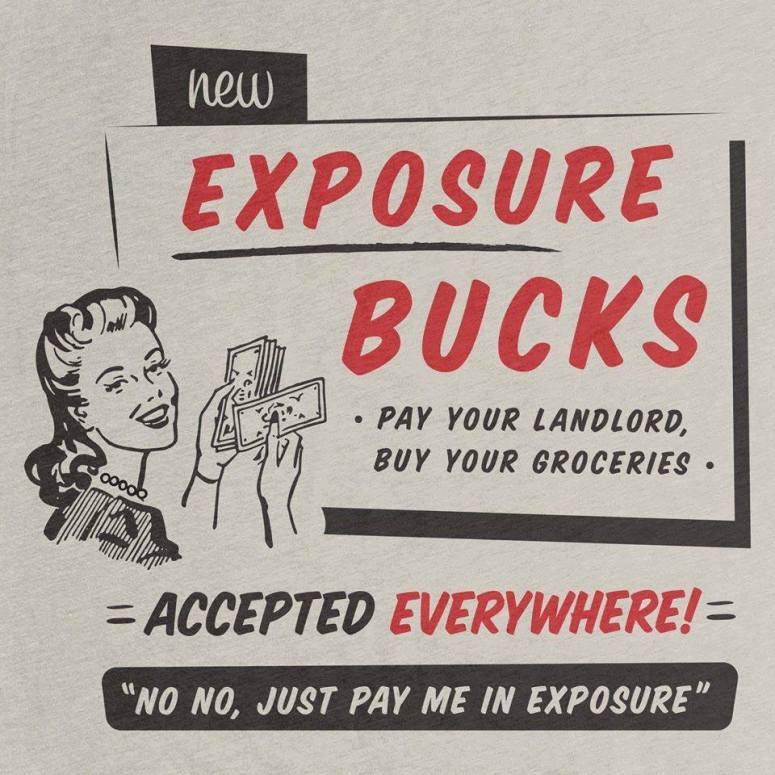
Spotify has long claimed its algorithms can spot breakout tracks and rising artists long before traditional gatekeepers notice. From Discover Weekly to Release Radar, the service positions itself as more than a music service — it’s an engine for musical discovery. You know…exposure.
In interviews, press releases, and annual shareholder letters, Daniel Ek the former pirate and future defense contractor and Spotify have boasted that their data can pinpoint the ‘next big thing,’ making Spotify the best place for discovering and nurturing new talent. They raise money on the issue and their market cap is $150.983B today. So they’re sharing the gold with the artists that they extract value from, yes?
The New Threshold Policy
Well, no. Spotify now imposes a threshold: tracks must reach roughly 1,000 streams per year to qualify for recorded music royalties. But understand this–while they don’t pay on those 1,000 streams, they do collect listener data on them and that powers their algorithm. You know, the algorithm they brag on can spot talent, kid. Because those first 1,000 streams are whatchamacallit…free goods. Or is it breakage? Or maybe a kind of packaging deduction?
Under this no-pay-but-track model, Spotify can recognize early listener activity and harness it for its personalized playlists and marketing efforts — yet it doesn’t pay artists for those early plays until the artist meets an arbitrary 1,000 stream threshold. And realize this–an artist could have 100 tracks with 1 million streams each and 100 tracks with less than 1,000, and they won’t get paid on the less streamed tracks. So the pitch here is the track not the artist, yet another contradiction from the Spotify pitch deck.
The Conflict
This creates a troubling tension:
For Spotify: The first few hundred plays are enough for its algorithm to assess the track, recommend it to listeners, and monetize engagement. And brag on it to investors.
For Artists: Those same early plays don’t count toward royalties. The track can gain exposure across the platform, but the artist sees no income until the threshold is crossed.
What It Means
Aside from they’re scumbags? Well, if Spotify can spot a breakout track when it has only a few hundred plays, why can’t it pay for those plays? Its data and recommendations benefit Spotify — obviously, they brag on it. The free goods data makes the service more attractive, bolstering its story to investors, and enriching its user experience — long before it benefits the artist making the records. (To add insult to injury, they do have to pay the songwriters under the benighted compulsory license which they no doubt are going to try to ditch in the next CRB.)
This paradox exposes a deeper tension in the streaming model: platforms excel at extracting value from listener data but adopt a policy to let them grab that data long before it translates into royalties for creators. Talk about data is the new oil.
This paradox shines a light on how platforms monetize listener data early — and benefit from it — while delaying or denying payments for those same streams. What Spotify promotes as ‘discovery’ often operates as monetization for the platform, leaving the artist with nothing until an arbitrary threshold is crossed. The same is likely true of all the platforms that adopt Spotify’s freebie threshold model in what the antitrust lawyers call conscious parallelism, looking at you Amazon and Deezer.
What is to be Done?
If Spotify truly champions discovery, it should champion fair compensation from the first stream. The ability to spot breakout tracks early must be matched by a commitment to pay for them.
It’s time for a more transparent and equitable approach — one that recognizes the value of every stream and every listener, regardless of its place in the self licking ice cream cone.
This post first appeared on MusicTech.Solutions


 The Trichordist
You must be logged in to post a comment.